

What’s Hot Right Now: The New Product Launch Playbook
Here’s a stat that should make every foodservice marketer pause: up to 95% of new products fail. And it’s rarely because of product quality. It’s a launch strategy gap.
Last month, we partnered with Kaleidoscope to break down what drives adoption in 2026’s flat-growth market, outlining three non-negotiables that separate successful launches from the rest:
- Lead with empathy. Before you book the booth or brief the sales team, map your messaging to what operators and consumers actually care about. Independents face different challenges than chains. Labor-strapped kitchens need different solutions than menu innovation teams. Generic messaging dies in the noise. Specificity wins.
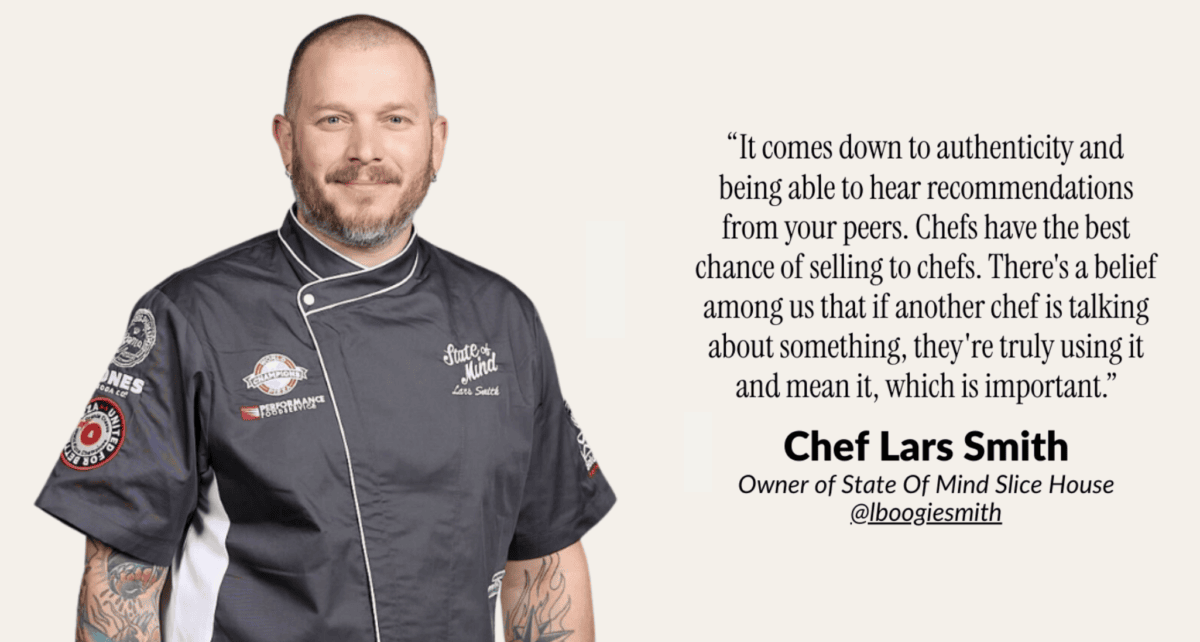
- Activate credible voices. Here’s where it gets interesting: 51% of Americans say social media influenced them to try a new recipe, and operators are increasingly using Instagram, LinkedIn, and even Reddit to research products before buying. Chef partnerships aren’t just trade show validation anymore, but scaled influence machines. One strategic chef relationship creates sampling moments, social proof, earned media and peer credibility across the entire buyer journey.
- Create tangible experiences. Trial can’t be an afterthought. Think beyond basic samples: curated brand kits that show how your product solves real kitchen challenges, chef-led demos that bring your value proposition to life, sampling programs that let operators test in their actual workflow. These experiences build trust and prove value before your sales team ever picks up the phone.
The opportunity right now is clear: discovery happens on social platforms before it happens in sales meetings. Successful launches meet buyers where they’re already searching, building credibility through the voices they trust and creating memorable trial experiences.
Industry News: How Restaurant Influencer Partnerships are Evolving (Part 2)
Belle founder Kate Finley joined Nation’s Restaurant News editor Sam Oches and foodie influencer Jordan Posner (@midwest_foodfest) for a conversation on how to partner with social media influencers in 2026.
Here’s part 2 of our favorite takeaways (Part 1 here, if you missed it):
- Audiences want real opinions. Highly produced content that feels like a commercial is driving less engagement. Telling influencers exactly what to say is a BIG “no” today.
- Micro-influencers have macro impact when you have a tight scope of work and strategy. They have been proven to influence foot traffic and sales because of their high engagement and trust.
- Setting aside a budget for real compensation is a must. Free food in exchange for a partnership is not enough to ensure a quality campaign and makes the influencer partner feel undervalued.
- Related… you also need to have a contract with set goals and content guidelines in place. Protect your restaurant by formalizing the partnership.
News We’re Noting:
- An AI Doomsday Substack Post Sparks a Mini Stock Market Crash: A speculative thought experiment about AI disrupting payment networks went viral on a Sunday, and by Monday, Mastercard, Visa and American Express had each dropped between 5% and 7%. It’s a sharp reminder that brand narrative is a risk mitigation strategy, and the brands without a proactive story are the most exposed.
- LinkedIn Shares Key Trends in B2B Marketing: LinkedIn data shows that nearly six in ten buyers say they discover new brands through creator content, and 75% of decision-makers find thought leadership more trustworthy than product sheets or marketing materials. For foodservice suppliers navigating long buying cycles, this is the channel worth paying attention to now.
- McDonald’s and Burger King Beef Over CEO’s Viral Video: The burger competitors’ reaction to the Big Arch announcement is an expert lesson in social listening and being quick to action, ahead of other copycats.
Fresh Off The Press: Top Client Wins
- Forbes | One Nation Under Ranch—Why America’s Favorite Condiment Keeps Climbing
- Breakfast with Nick | Don’t Sleep on Service Bar and Its Whiskeys, Cocktails, and Dynamic Dishes
- Connector Supplier | Anderson Power and JPCPT Tackle AI Connectivity
Belle Headlines
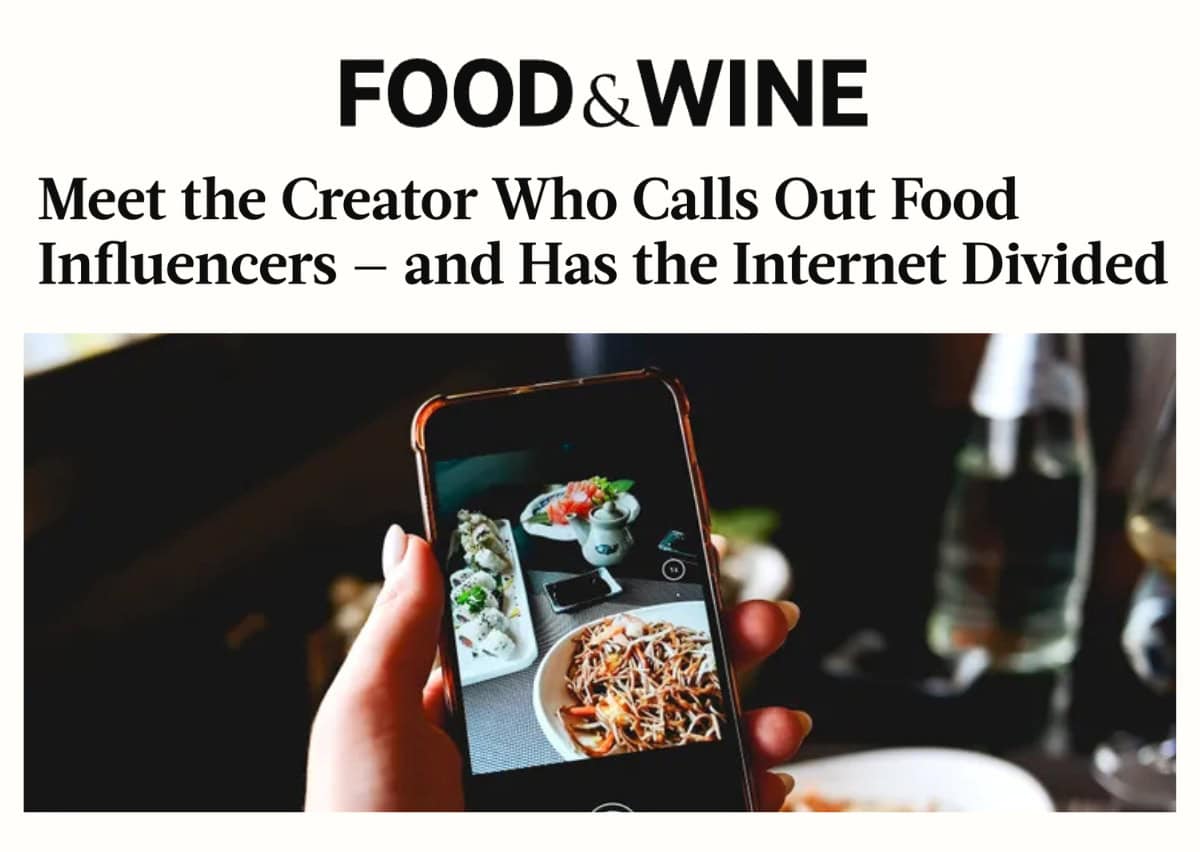
Food & Wine recently featured data from our joint survey with Nation’s Restaurant News, citing that 73% of millennial and Gen Z diners choose restaurants based on social media reviews. The article examines the growing tension around food creator culture: who has influence, what responsibilities come with it and what happens when a viral review can make or break a small restaurant overnight.
It’s a consumer story on the surface, but the implications run deep for everyone in foodservice. For restaurant brands, it reinforces how much the path to a new guest now runs through social content before it ever reaches a reservation or a visit. For B2B suppliers, ingredient brands and equipment providers, the same dynamic is reshaping how operators discover and evaluate vendors. Social’s influence hasn’t just captured Gen Z. Buyers are researching before they ever pick up the phone and credibility is built in the feed.