

Are you a foodservice supplier prioritizing product adoption in 2026? Join our upcoming webinar.
What’s Hot Right Now: Map Your Buyer Journey to the Metrics That Actually Matter
In complex B2B markets, revenue rarely traces back to a single touchpoint. It builds through stages—awareness, trust, consideration and choice—that most marketing plans acknowledge, but few actively measure.
The problem: When you can’t quantify how buyers move through these stages, you can’t prove marketing’s impact on the pipeline. And without proof, it’s hard to justify investment in the channels that build credibility before a sales conversation even starts.
Here’s how to think about and measure each stage:
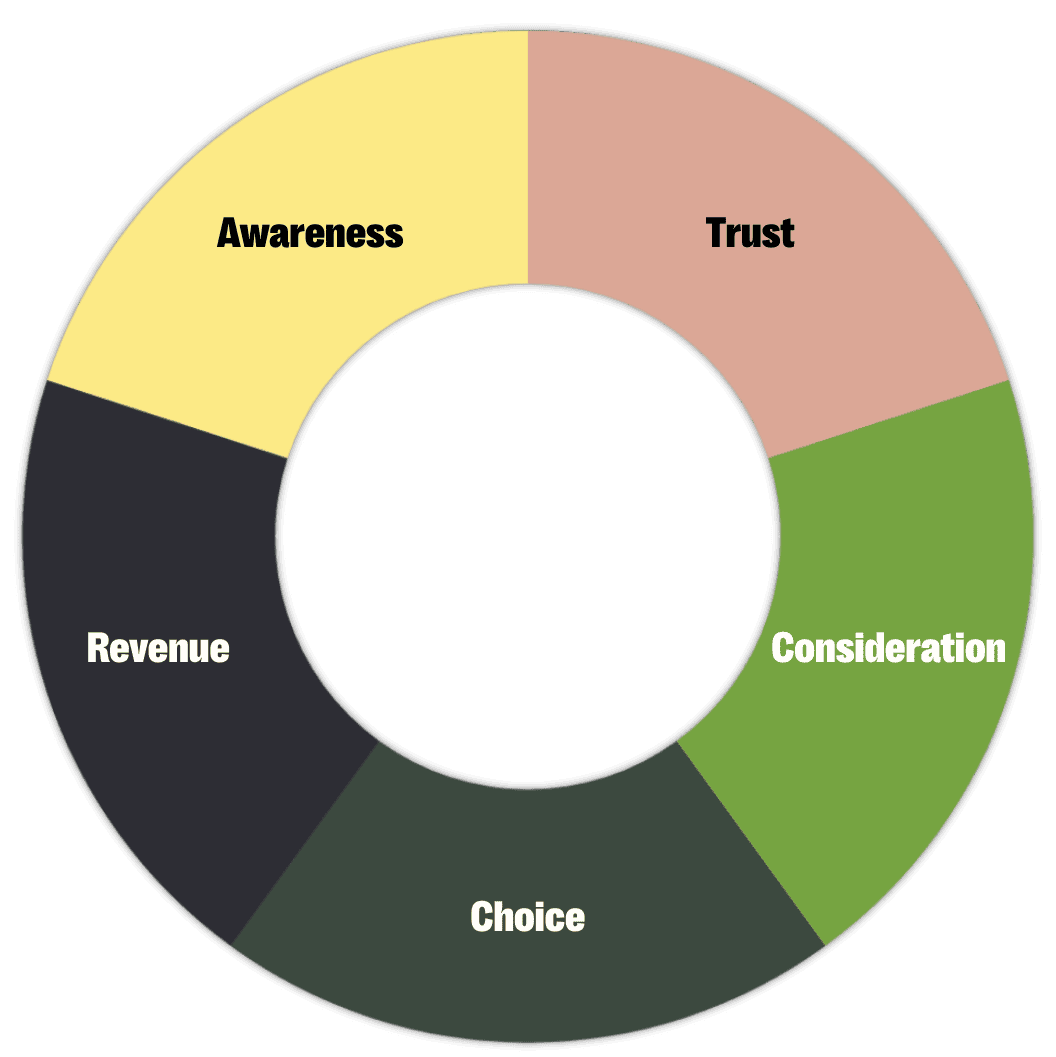
Awareness: Do they understand why you matter?
This isn’t about name recognition. It’s about whether buyers understand your value, differentiation, what makes you premium or distinct. If they don’t know what sets you apart, you’re invisible when the need arises.
Questions to ask: Are we present in the trade publications our buyers read? Do we show up when operators search for solutions in our category? Are we positioning ourselves as experts, or just vendors?
What to measure: Share of voice in key industry publications, search visibility and AI engine presence for category terms, inbound inquiries from target markets.
Trust: Do they believe you’re credible?
B2B buyers rarely take vendor claims at face value. They look for external validation—media coverage, influencer endorsements, peer recommendations. Third-party voices build trust faster than any sales deck.
Questions to ask: Are we earning media placements that legitimize our expertise? Are respected industry voices advocating for us? Can sales teams point to external proof when prospects hesitate?
What to measure: Third-party validation (B2B influencer partnerships, media mentions, external endorsements), thought leadership engagement, sales team feedback on prospect awareness and credibility.
Consideration: Are you in their decision set?
When a buyer’s need becomes urgent, they evaluate 3-5 options—not 20. Your digital presence, case studies and market visibility determine whether you make the shortlist.
Questions to ask: Are we discoverable on the platforms buyers use for research? Are we making it easy for them to understand how we solve their problem? Do we have proof that resonates with their specific challenges?
What to measure: Digital presence optimization (website performance, AI discoverability, social reach), RFP inclusion rates, time-to-first-meeting trends.
Choice: Why you instead of the competitor?
This is where credibility, proof points and positioning tip the decision. If you’ve built trust throughout the earlier stages, price becomes less of an objection.
Questions to ask: Can we clearly articulate why we’re the better choice? Are we shortening deal cycles because buyers already trust us? Are we winning on value, not just cost?
What to measure: Value proposition clarity and market positioning, deal velocity (faster closes signal higher trust), win rates in competitive situations.
The through-line: Track how your pipeline is influenced by marketing touchpoints, deals that cite PR or content in the buyer journey and long-term customer value trends. When you connect these stages to revenue outcomes, you stop guessing and start building a repeatable growth engine.
Industry News: How Restaurant Influencer Partnerships are Evolving (Part 1)
This month, our founder Kate Finley joined Nation’s Restaurant News editor Sam Oches and foodie influencer Jordan Posner (@midwest_foodfest) for a conversation on how to partner with social media influencers in 2026.
They covered a lot, so we’re breaking our takeaways into two parts:
- Partnerships that are rooted in timely moments create a sense of urgency among consumers. LTOs, seasonal campaigns or specific deals are great for foot traffic.
- Attention spans are much shorter today. When creating content, put yourself in the consumers’ shoes… Would you stop your scroll?
- The type of engagement on Instagram and TikTok is much different. Instagram comment sections tend to be more positive. TikTok is home to more critics and willing to share blunt POVs. As Sam puts it, Instagram = golf claps; TikTok = rowdy crowds.
- Storytelling helps consumers connect with restaurants. Think: The face + story behind the restaurant, the history of a dish, back-of-house sneak peeks…
- But with any piece of content or influencer campaign, make sure the business goals and brand guidelines are clear. These are non-negotiables in ensuring measurable success.
Check out the podcast and come back for more!
News We’re Noting:
- As chatbots learn from social media and creators, brands should take note: Reddit, YouTube and Wikipedia were in the top 10 sources commonly cited by ChatGPT. Google also indexes Instagram posts, which can be surfaced in ChatGPT responses.
- Super Bowl 2026 ad review—the best and worst commercials: B2B brands should take note from B2C’s creativity. Why? Because B2B companies that are “customer-obsessed” and prioritize creativity like B2C firms report 28 percent faster revenue growth and 33 percent higher profit growth.
- Maintaining brand relevancy: Here’s what the numbers say: Staying relevant means balancing cultural buzz with real trust. Social media can amplify awareness fast, but it can also backfire faster if quality and credibility aren’t there to back it up.
Fresh Off The Press: Client Wins
- The Food Institute: Social media breakdown: By platform roadmap
- The Food Institute: Turn up the heat: Why spicy food is taking over menus
- FoodBev: Sauce sells: Why sauces shouldn’t be an afterthought in your menu strategy
- The Food Institute: Gen Z eats differently – What this means for restaurants
- Connector Supplier: Four ways flat-wiping contacts benefit battery systems
- Connector Supplier: Heavy duty connectors product roundup
- 10TV: Valentine’s/Galentine’s cocktail class at Middle West Spirits Service Bar
- Columbus Dispatch: Service Bar at Middle West Spirits serves a hearty winter menu
- Columbus Dispatch: St. Patrick’s Day cocktail class at Middle West Spirits Service Bar
- Columbus Monthly: Service Bar at Middle West Spirits serves a hearty winter menu
- Refined: At your service
- Good Day Columbus: Rhonemus Cellars pouring big winery vibes into Lancaster
Belle Headlines
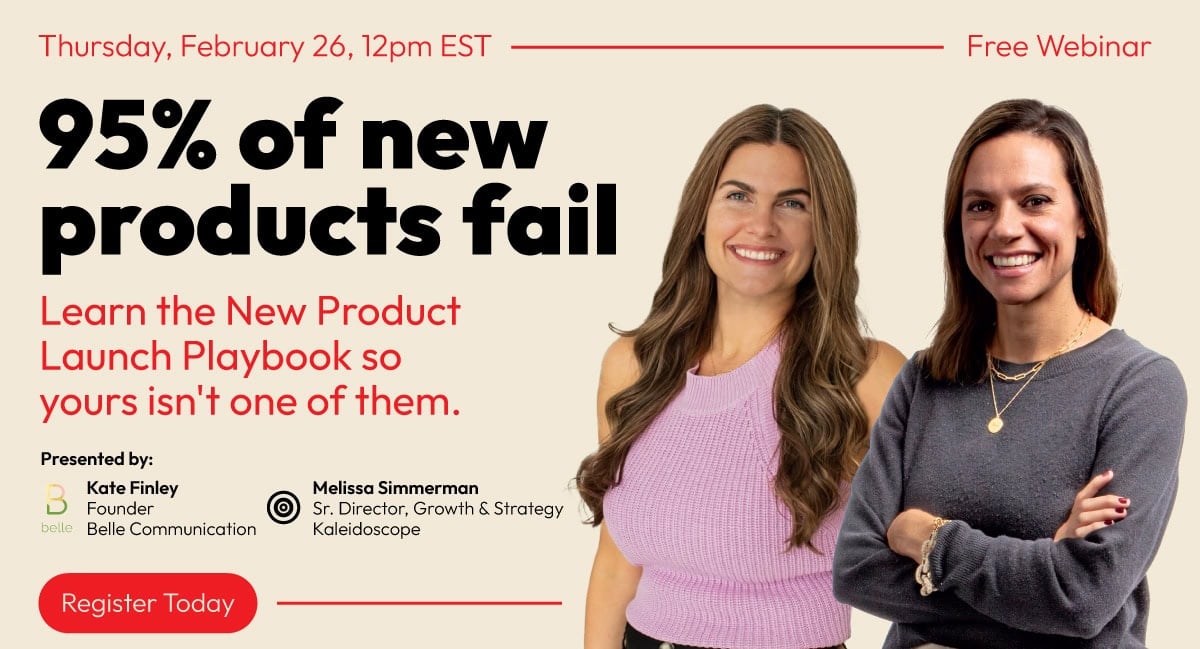
Join us on Thursday, February 26 at 12 p.m. ET for The New Product Launch Playbook: De-Risking Adoption in Foodservice & CPG
Most product launches follow a familiar path: big investment, strong initial buzz, then adoption stalls. The issue isn’t innovation. It’s that traditional launch tactics don’t address how buyers actually make decisions today.
We’re partnering with Kaleidoscope for a live session designed for senior marketers and growth leaders who need a product launch playbook built for 2026’s realities.
During the webinar, we’ll explore a different approach to product promotions – one that prioritizes building trust, proof and trial before a sales push for sustained success.