
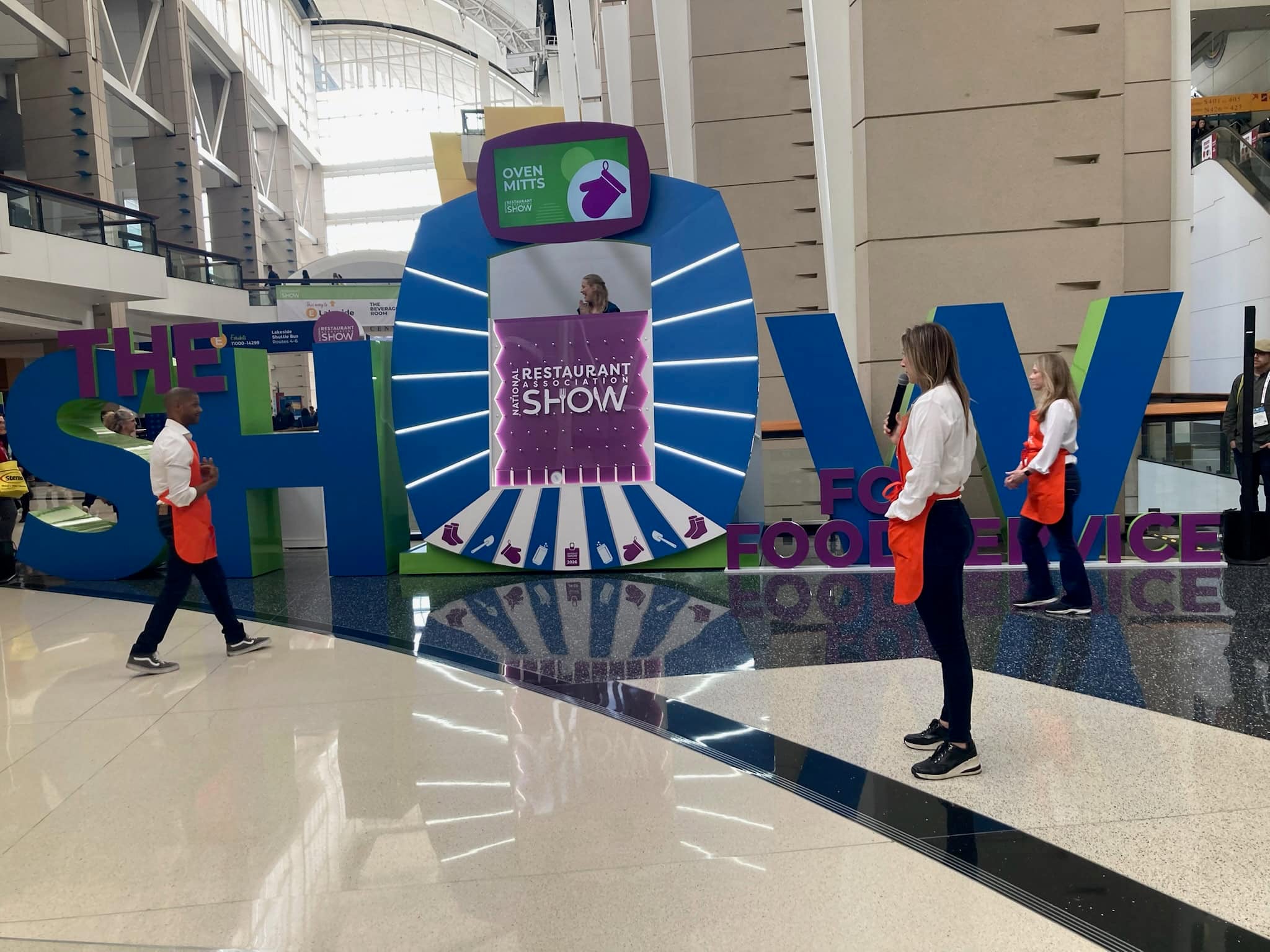
The National Restaurant Association Show returns to Chicago in May, kicking off the busiest season on the foodservice tradeshow calendar. For many foodservice brands, it’s one of the largest annual investments, and it can deliver significant returns, but only when you design the experience to build trust, not just generate traffic.
The reality is most brands approach tradeshows the same way they always have. A booth. Some samples. A few conversations. Maybe some swag. And then they wonder why the ROI doesn’t match the spend.
The operators who walk that show floor are researching, building consideration sets and making decisions about who they trust. The brands that win are the ones who understand that tradeshows aren’t just marketing moments, but credibility-building, trust-earning, deal-accelerating machines.
What stood out at NRA 2025 (and what we hope to see more of in 2026)
Last year’s show reminded us that the most memorable booths weren’t the biggest, but the most experiential, interactive and strategically designed to connect with operators in the research phase.
Here’s what worked:
Immersive, interactive experiences
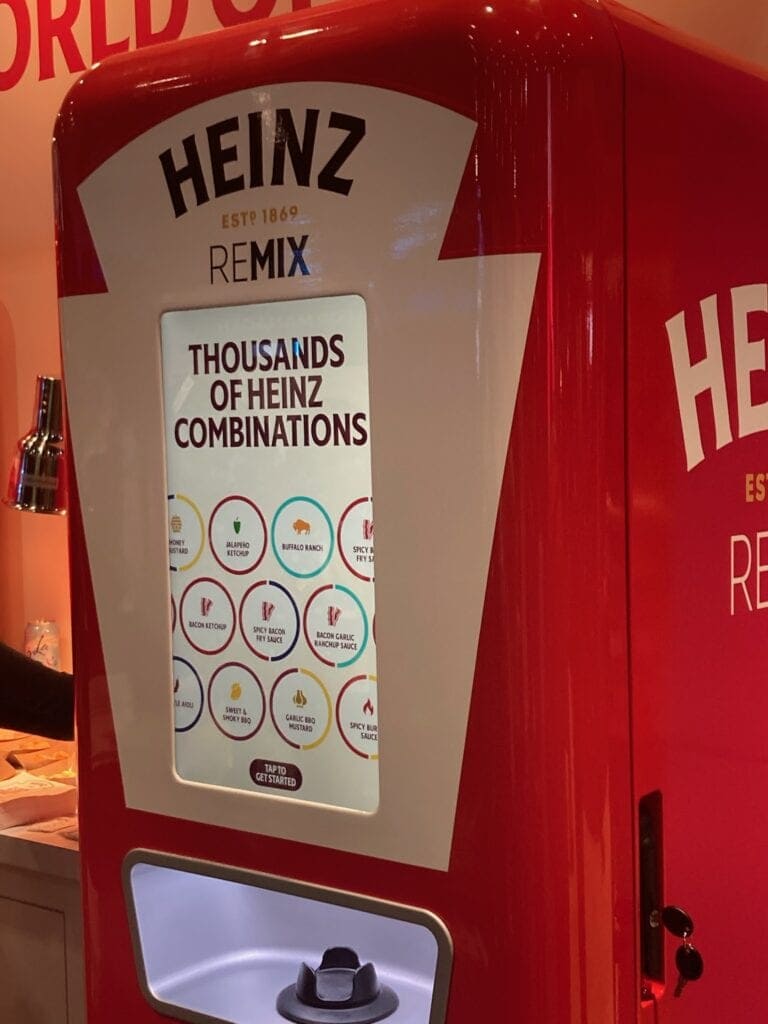
Brands like Kraft Heinz didn’t just show products; they created experiences. Heinz Remix machines, condiment taps and customizable sauce stations invited operators to engage, taste and imagine menu applications. The takeaway? Operators want to interact with your product, not just hear about it.
Chef-led demos and storytelling
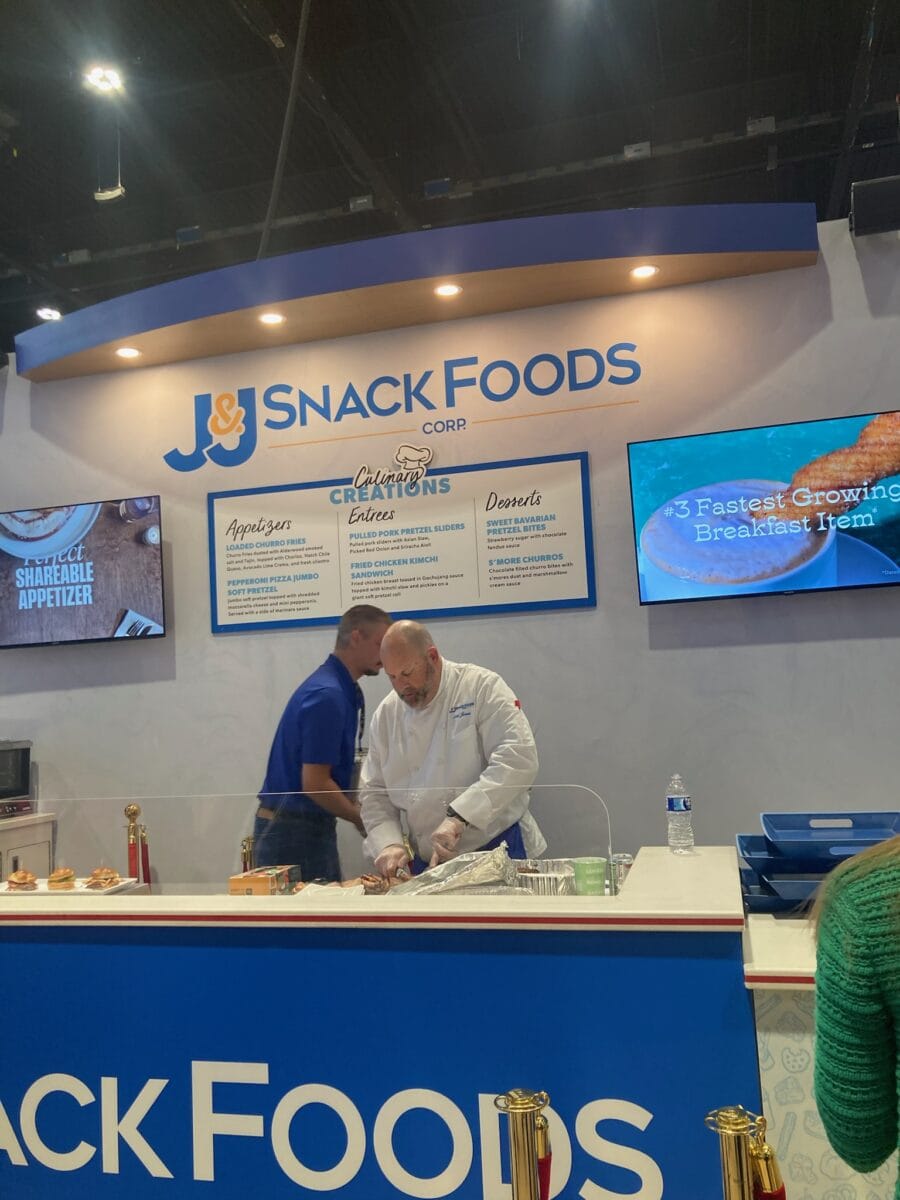
Live culinary demos continue to be booth magnets. Watching a chef transform a product into a craveable dish creates instant menu inspiration. It also gives operators a tangible reason to believe in your innovation.
Clear, benefit-driven design
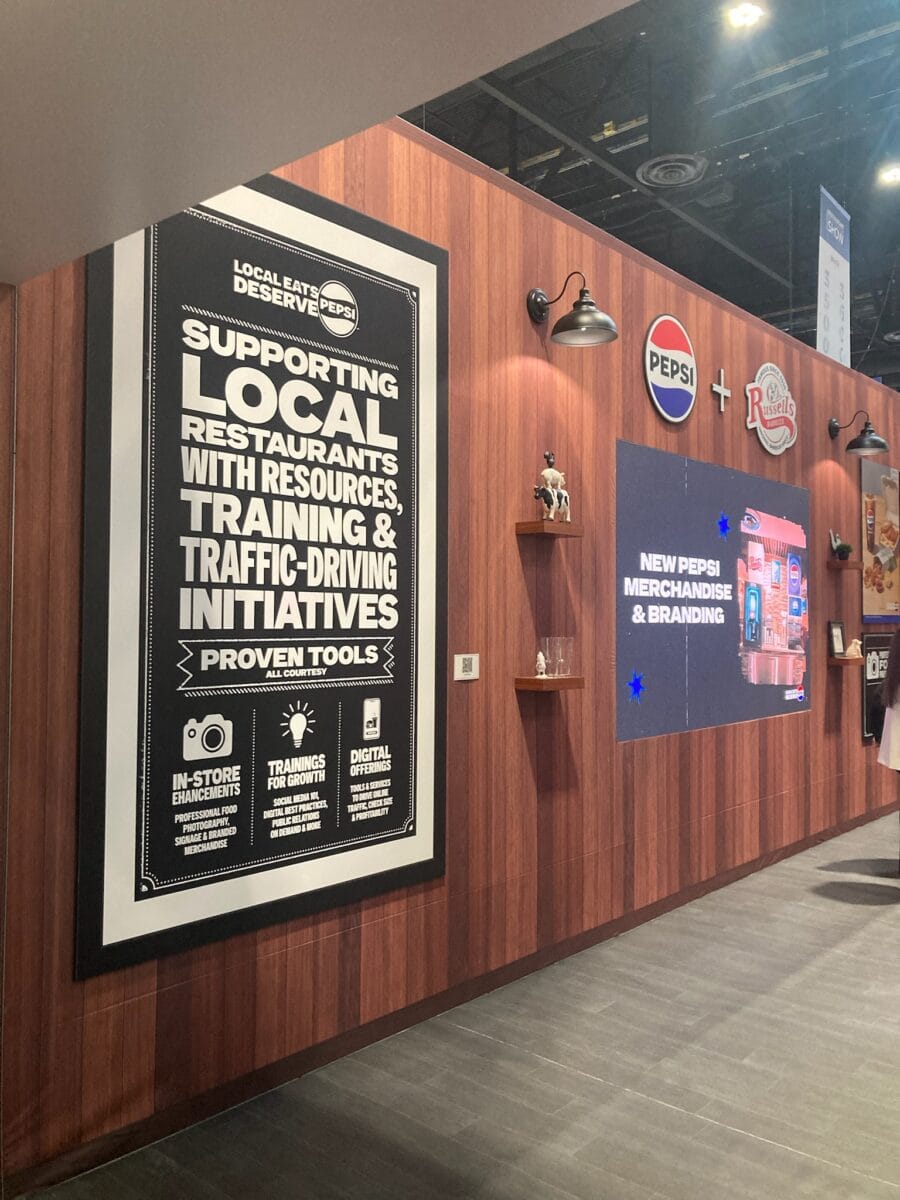
Booths that communicated value at a glance – through bold visuals, concise messaging and product benefits tied to operator pain points – cut through the noise. If attendees can’t understand what you do in three seconds, you’ve already lost them.
Unexpected innovation + collaborations
Rana showcased ravioli as a QSR snack and King’s Hawaiian partnered with Tillamook on an ice cream slider. The lesson? Innovation doesn’t have to be complicated. It just has to be surprising enough to stop someone mid-stride.

Intentional meeting spaces
Brands often reserve large enough booths to allow for seating areas or extra space used for pre-scheduled sales meetings. It signals that this isn’t just a booth you “swing by,”, it’s a deal-making environment.
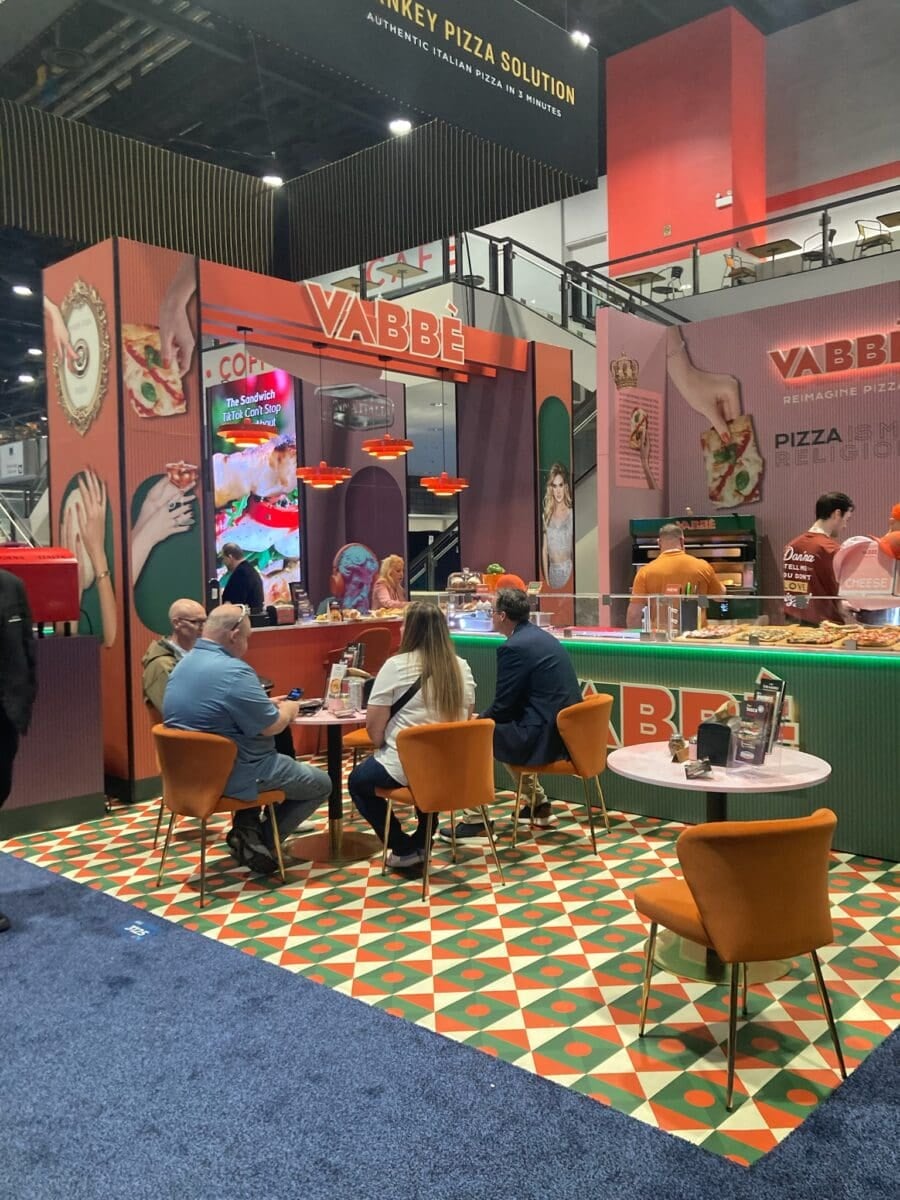
Tradeshows are changing – because the buyer journey already has
Operators today don’t wait for your sales team to educate them. They research independently, consult trusted chefs and influencers and build shortlists long before they engage your reps. By the time they reach your booth, they’ve likely already decided whether you’re credible enough to consider.
This means tradeshows now serve a different function. They’re not just lead generation machines. They’re trust accelerators. The operators who stop by your booth are validating what they’ve already seen online, in trade media and through chef networks. Your job is to confirm that you’re worth the risk.
Here’s how the best brands are connecting booth strategy to the buyer journey:
Awareness → Consideration
Pre-show campaigns (emails, social posts, influencer partnerships, sponsored media placements) give operators a reason to seek you out. The goal is intentional visits from the right people.
Trust → Choice
Interactive booth elements, chef endorsements, live demos and third-party validation (media coverage, awards, influencer partnerships) build the credibility that shortens sales cycles. Operators need proof you deliver and tradeshows are where you show it.
Consideration → Revenue
Post-show follow-up isn’t optional. Recap content, sales enablement assets and earned media coverage extend the booth experience into the pipeline. The operators who visited your booth should see your brand reinforced across every channel in the weeks that follow.
How to make your tradeshow strategy work harder for sales
The brands that get the most ROI from tradeshows treat them as integrated go-to-market plays.
Here’s how:
1. Set clear, measurable objectives tied to the buyer journey
Define what success looks like beyond booth traffic. Are you trying to reach hard-to-access independent operators? Introduce a new product to millennial chef-operators? Generate qualified leads for your sales team? Your strategy, booth design and follow-up plan should align with these goals.
2. Give your sales team tools to win before, during and after
Pre-show outreach templates, talk tracks and priority lead lists make it easier for sales to set meetings. On-site, create private spaces for deal conversations. Post-show, equip them with recap content, case studies and media coverage that keeps momentum alive.
3. Design for engagement, not just visibility
Sampling is table stakes. Interactive elements (e.g., flavor stations, product customization demos, menu ideation workshops) give operators a reason to stay, ask questions and remember you.
4. Leverage influencers to drive intentional traffic
Chef influencers promoting your booth (“Meet us at #3825!”) create anticipation and drive qualified visitors. Their endorsement also serves as third-party validation, which is a trust signal that makes operators more likely to engage.
5. Capture content that lives beyond the show floor
Video, photography and live social coverage turn three days into months of assets. Operators who couldn’t attend see what they missed. Sales teams get visual proof points. Your brand presence compounds.
6. Measure what matters
Track metrics that show you’re moving buyers through the journey: pre-show meetings set, booth engagement quality, post-show pipeline influenced, competitive win rates, media coverage and share of voice. Impressions are fine, but pipeline wins are better.
The operators are already going – are you meeting them where they are?
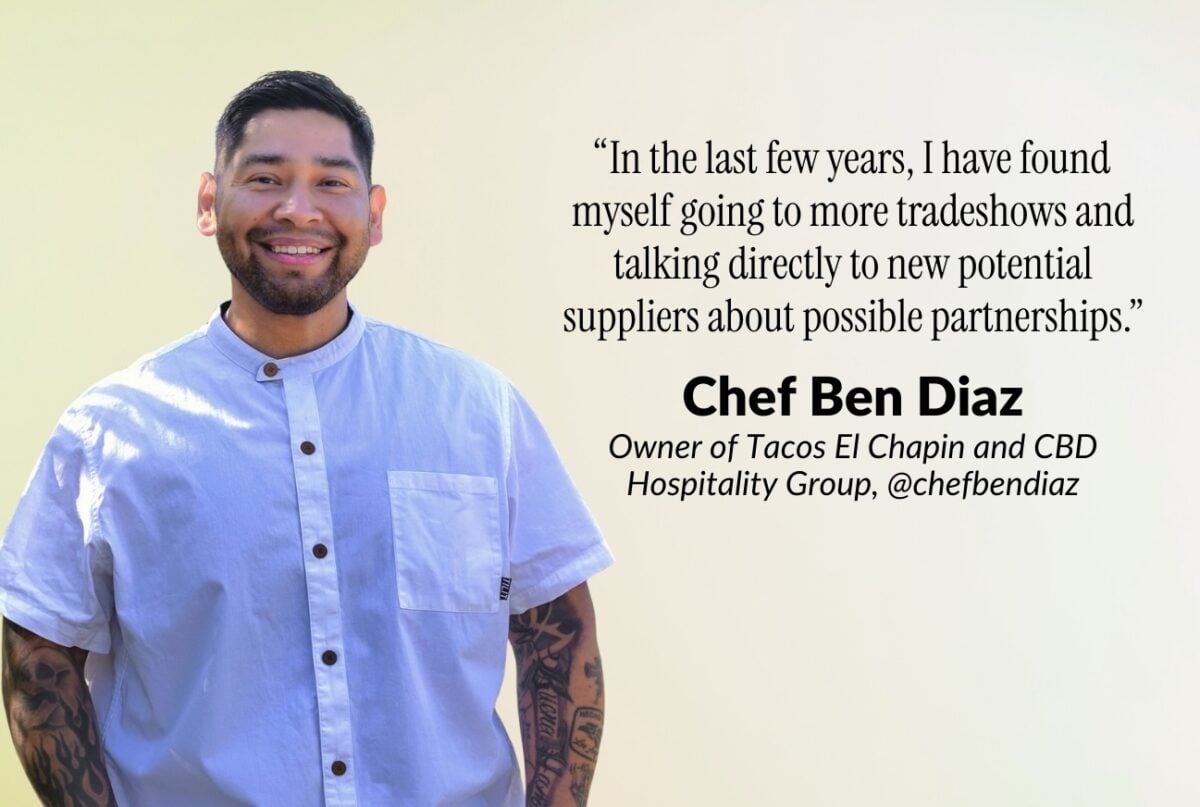
Chef Nicola Blaque, James Beard Best Chef Texas, also shared with us: “When I was opening my fried chicken restaurant, I saw these ginormous chicken tenders, and I was like, ‘these are the chicken tenders that I want.’ But had I not been at that food show, I would have just gotten the basic size chicken tenders, but I knew the possibilities of where my restaurant brand could go.”
Operators are showing up ready to discover, evaluate and decide. The question is: will your brand make it easy for them to choose you?
The NRA Show is one of the few places where you can reach 50,000+ attendees – 36% of whom are independent operators – in three days. It’s a rare chance to influence the buyer journey at scale, meet decision-makers where they already plan to be and create the credibility that turns interest into action.
Make it count.