
While B2B marketers across industries have widely embraced content marketing, foodservice suppliers and manufacturers often allocate minimal marketing budgets to content creation beyond sales enablement and product-centric materials.
Instead, the industry has relied on relationships built at industry trade shows and direct sales outreach—a model that still works, but leaves money on the table and risks irrelevance as buyer behavior shifts.
Previously, content was built to support distributor conversations and restaurant visits. But the function of content is expanding from transaction support to also include demand generation, reputation building and decision enablement.
This evolution isn’t about chasing digital trends. It’s about recognizing a structural change in how today’s foodservice operators and buyers navigate the path to purchase.
Foodservice Buyer Behavior Has Changed
From K-12 and healthcare to QSR and contract foodservice, decision-makers are under constant pressure to do more with less. They’re vetting suppliers, digitally and on their own schedule.
Research shows that modern B2B buyers rely on independent online research, trust peer reviews and consume a large mix of first- and third-party content during the buyer journey. What they find (or don’t find) shapes their perception of a brand’s credibility, innovation and relevance.
This means that digital content is no longer a support asset. It’s a discovery tool.
Yet most foodservice supplier websites and marketing strategies still reflect an older sales model. They leave a gap where modern buyers are looking for guidance: social media, online forums, news outlets, newsletters, etc.
What the New Foodservice Content Marketing Mix Looks Like
We’re seeing foodservice brands succeed when they embrace a dynamic, digital content mix that closes this gap.
They’re developing a content ecosystem that serves target audiences across multiple touchpoints and answers questions commonly asked during the buyer journey, like: How does this product/equipment save me time/money? Who else, like me, has made this switch and how did it perform? What is appealing to diners right now?
The most effective content today shares three qualities: it’s highly relevant, easily discoverable, and either emotionally resonant or operationally useful. Brands that understand this are moving from pushing products to demonstrating value in context.
Short-form Video / Social Media / Influencer Partnerships
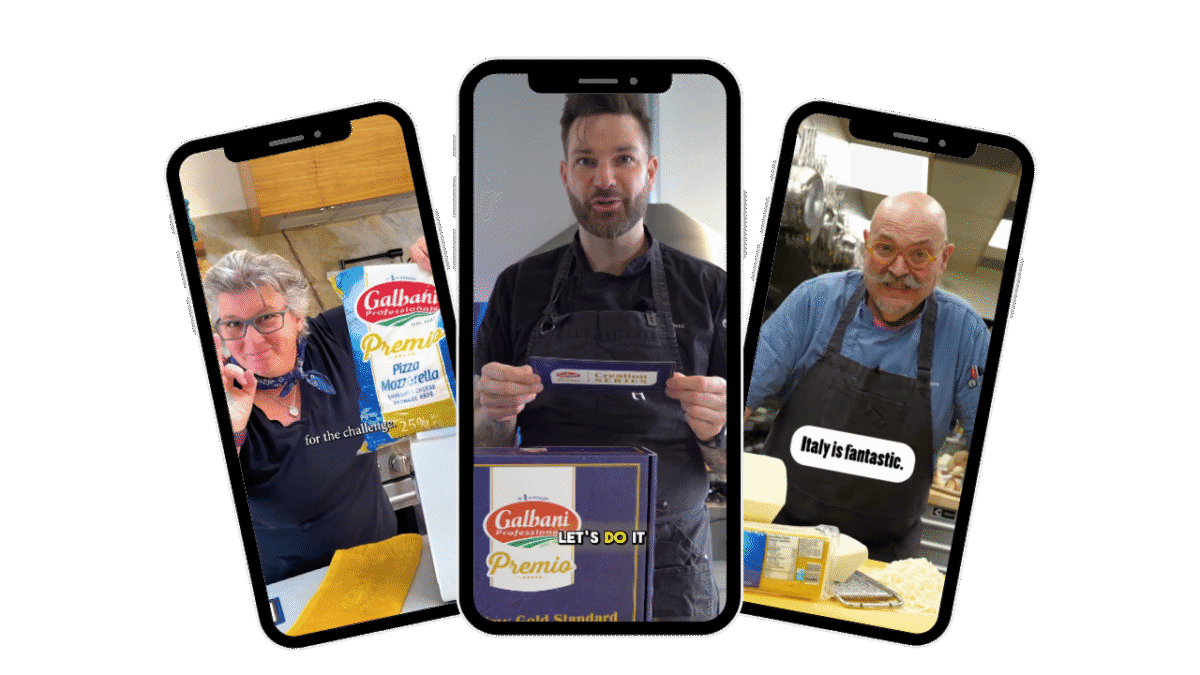
B2B foodservice brands are partnering with social media personalities to create short-form videos and testimonials that demonstrate real-world value. Successful content includes everything from showcasing prep efficiencies and equipment capabilities to highlighting recipes or ingredient versatility.
Foodservice buyers pay attention to the opinions of people who reflect their day-to-day reality: chefs running busy kitchens, foodies in-tune with Gen Z preferences and restaurant consultants navigating menu development. These online personalities bring built-in trust and firsthand experience that makes their content feel more like peer advice than a pitch.
Not only shared on the influencers’ social media profiles, this visually engaging content is being maximized on brand-owned channels and incorporated across marketing campaigns to further boost credibility and ROI.
For example, Lactalis Canada Foodservice, a premier dairy solution provider, often partners with popular culinary voices to showcase their products in action. Clips from well-known chefs like Romain Avril, Lyn Crawford and Massimo Capra are also repurposed on Lactalis social profiles and website for extended impact.
Additionally, Mondelez International Foodservice works with culinary professionals like Jackie Joseph and Keegan Gerhard for its larger ambassador program. Together they make baking industry trend predictions and showcase the wide range of Mondelelez products in custom recipes.
Thought Leadership / Original Data
Going beyond product-focused content is becoming crucial for reaching C-suite decision makers. Content that addresses specific challenges faced by different segments and provides trend-forward points of view is better received and remembered by busy buyers.
One of the most powerful ways to deliver this is through original data, proprietary research and fresh audience insights. Content rooted in exclusive intelligence—be it a survey of end-customer pain points, a study on shifting diner behaviors or trend forecasting around ingredient preferences—immediately elevates a brand from vendor to trusted advisor. It signals authority, investment in the industry and a pulse on what’s next.
Edelman data reports that 70% of decision makers say a piece of thought leadership has led them to question whether they should continue working with an existing supplier, and 90% say they are more receptive to sales and marketing outreach from companies that consistently produce high-quality thought leadership.
Beyond publishing, insight-driven content needs amplification to reach its full impact. When thoughtfully crafted whitepapers and data findings are supported by earned media placements in trade publications, paid editorial partnerships and repackaged across owned channels like LinkedIn or email, they can shape industry narratives and generate more leads.
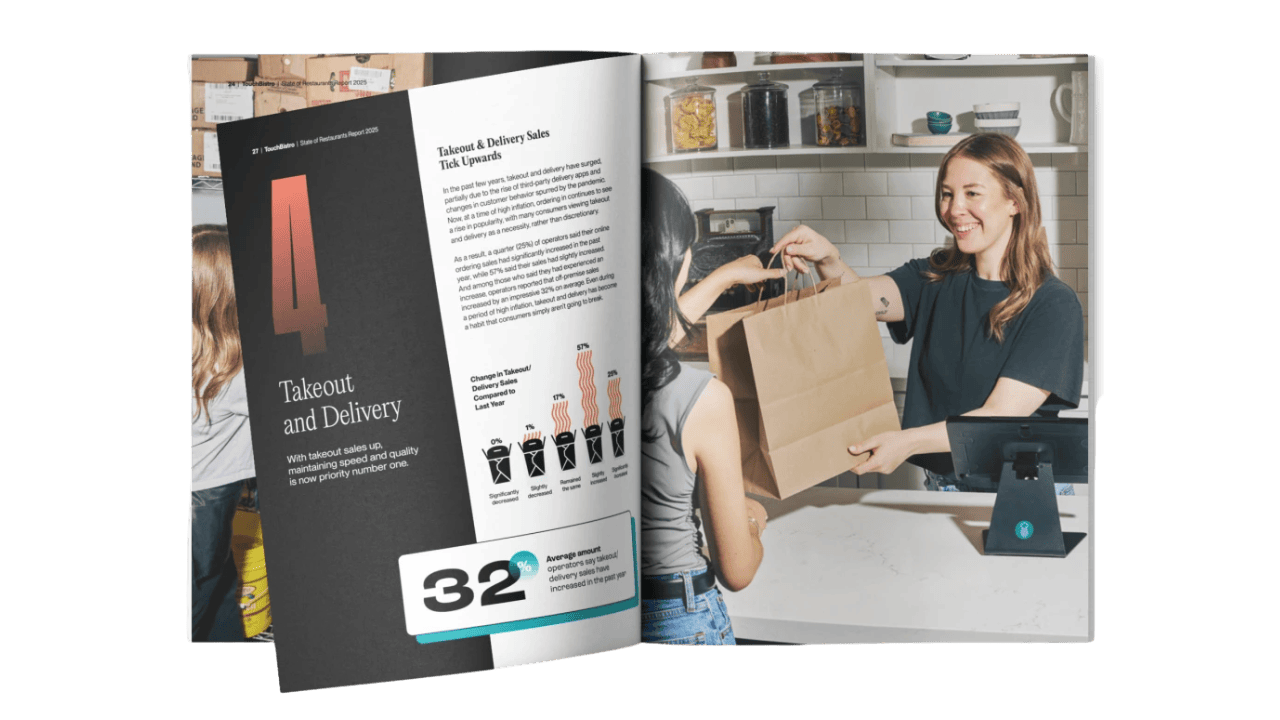
For example, TouchBistro, a POS provider, released its 2025 State of Restaurants Report and shared insights into the challenges and opportunities faced by independent full-service restaurants. The report discusses how these establishments have adapted to economic uncertainties, inflation and changing consumer expectations, providing data-driven strategies for success in a competitive market. Findings and expertise were shared in outlets like FSR Magazine, Restaurant Technology News and Restaurant Dive.
Additionally, Rubix Foods, an ingredients supplier, released its 2025 NEXT Flavor Report, which highlights emerging flavor trends shaped by Gen Z preferences and cultural influences. The report offered actionable insights for foodservice operators looking to innovate menus to resonate with the next generation of diners. The report earned media coverage across national and trade outlets, including Food&Wine, Tasting Table and Business Insider, positioning Rubix as a leader in QSR flavor trend forecasting.
No Longer Just Collateral
While there is a growing awareness of content marketing’s importance, challenges remain in resource allocation, bandwidth and strategy development within the foodservice sector. The majority of businesses have built lean teams optimized for sales enablement, not editorial production or influencer engagement.
While food service suppliers that rely solely on traditional relationship-driven sales strategies may still close deals, they’re leaving significant revenue on the table.
The shift toward digital discovery and self-directed buying means content isn’t just a nice-to-have; it’s a multiplier of marketing and sales effectiveness. Every moment a potential customer searches for a solution and doesn’t find your brand in their research journey is a missed opportunity.
Additionally, the ROI of modern content lies not just in lead generation but in shortening sales cycles and establishing long-term brand recognition.
A single high-performing piece of content—amplified across social, earned and paid media—can encourage trial, rekindle dormant accounts and solidify loyalty in competitive categories.
One thing is certain: Content is no longer a supporting tool in foodservice purchase journeys. It defines how and whether a brand shows up in the buying process at all.