
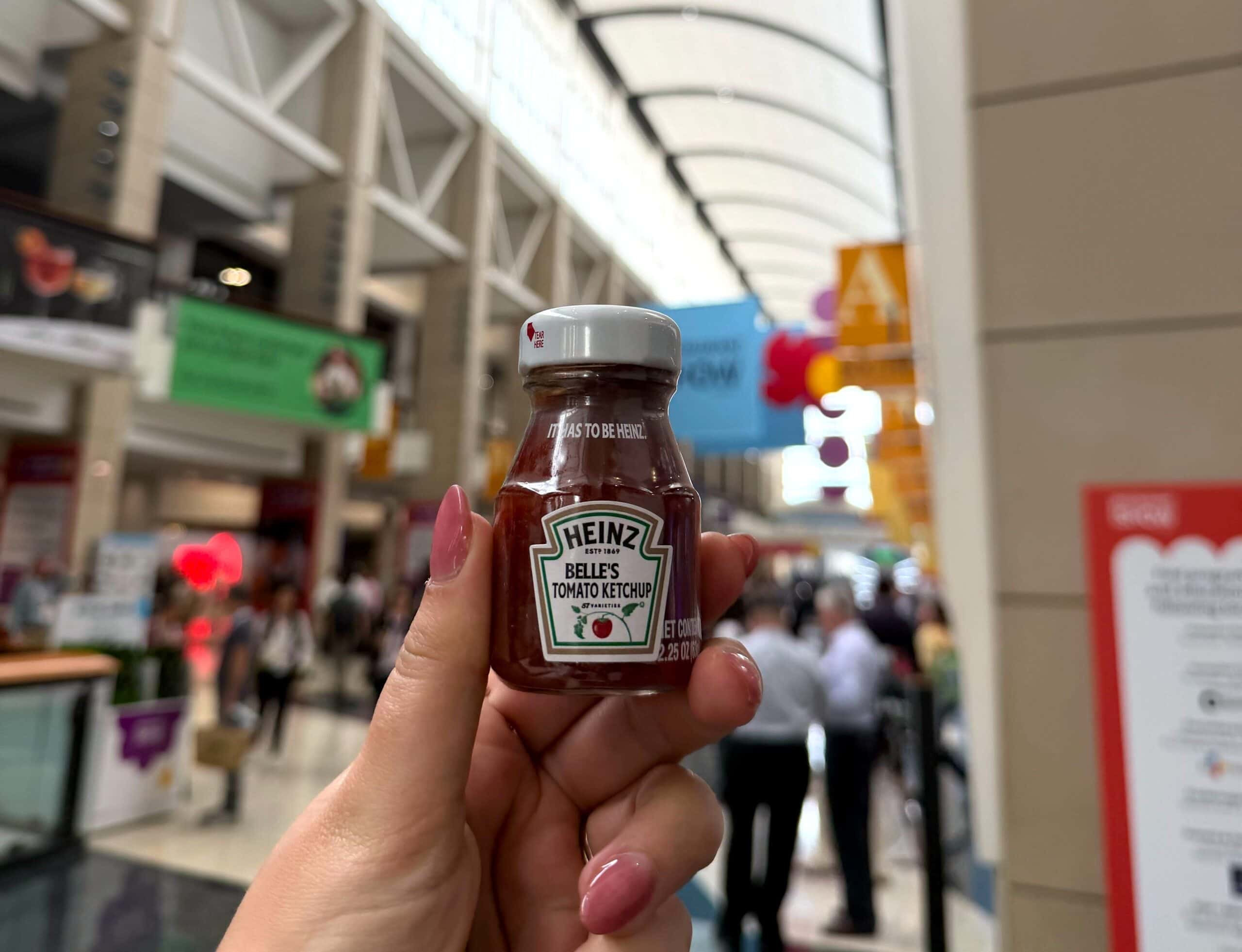
Walking the floor at the 2026 National Restaurant Association Show in Chicago, one thing was clear: today’s operators want menu offerings that do more, mean more and ask less of the kitchen. Functionality, versatility and sustainability ran through nearly every booth, demo and panel session, with reduced back-of-house complexity for operators as a through-line.
Below are the five biggest trends we noticed across the show floor and in sessions this year, paired with PR tips from Belle’s foodservice marketing strategists for the suppliers and distributors expected to deliver on these growing operator and consumer expectations.
GLP-1’s Not So Quiet Pull on the Menu
In the upstairs lobby outside the session rooms, the NRA set up a trending board asking attendees to write what they were seeing on menus. In the “on the horizon” column, “smaller portions” appeared, with checks next to it signaling agreement. In the “here to stay” column, “health-forward messaging” had already earned its spot.
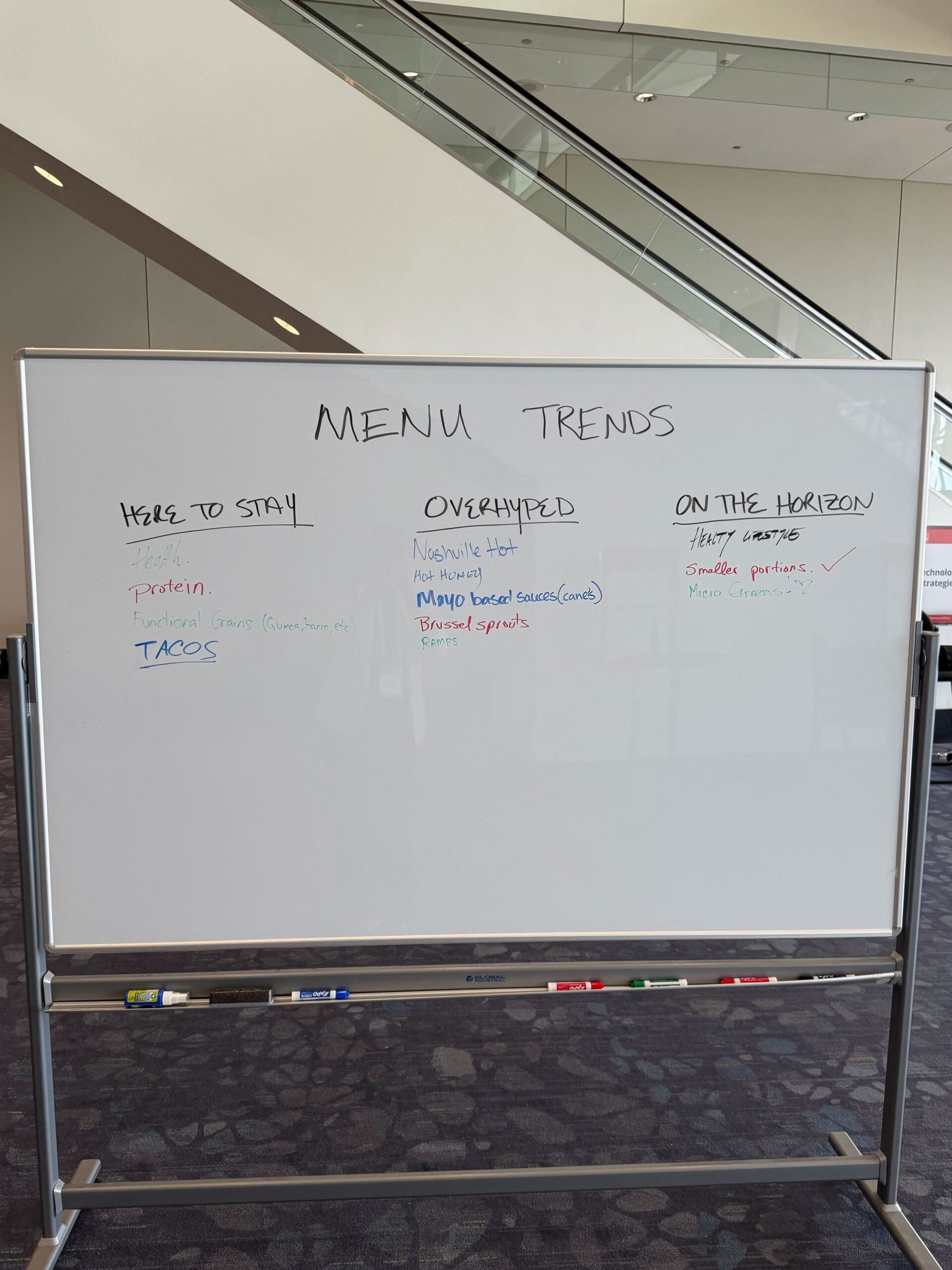
That theme carried through the show, with snacks and appetizers as a leading category and packaging manufacturers promoting “perfect portioning”. Two subtle but obvious reflections of GLP-1’s impact on foodservice trends. According to Datassential, 42% of restaurant operators are considering adding GLP-1-friendly dishes or beverages, and 14% already offer them. About 1 in 10 Americans use or have used the medications.
Chains have caught on to the drug’s impact quickly. Smoothie King introduced a GLP-1 Support Menu, Chipotle rolled out its High Protein Menu, Shake Shack launched a Good Fit Menu and Olive Garden expanded its Lighter Portions options. It’s clear after walking the show that more operators are looking for ways to rethink portion sizes and protein density across the menu.
PR tip: Suppliers and distributors in proteins, snacks and grab-and-go should be ready with messaging that works for both the consumer eating the food and the operator running the kitchen. Skip clinical “GLP-1” labels unless your brand sits squarely in that lane. Instead, lead with everyday language like “high protein,” “smaller portion” or “satisfying without the slump,” and back it up with content that shows operators how your product plugs into existing menus without adding equipment or labor.
Functional Beverages
Beverages were doing real work this year. The 2026 What’s Hot Culinary Forecast from the National Restaurant Association lists healthier, functional beverages as a leading 2026 trend, and that’s exactly what we saw across the show floor. Drinks were positioned as a way to deliver adaptogens, prebiotics, protein and calm, layered with bold flavor and inclusions to earn their place on the menu and on social media.
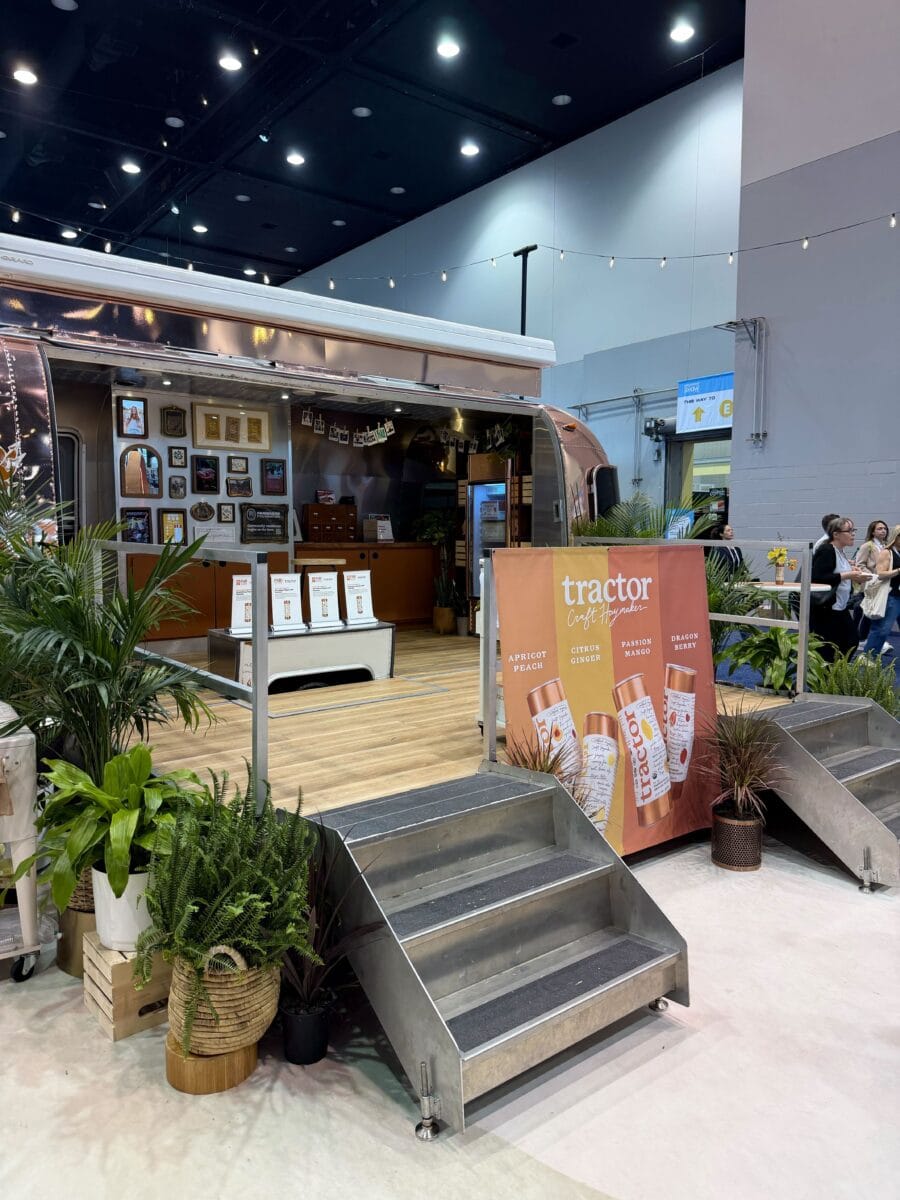
- Tractor Beverage Co. stood out by earning four 2026 FABI Awards for its Organic Craft Haymaker line, with Citrus Ginger named a FABI Favorite. The apple cider vinegar-based, USDA-certified organic tonics were poured sparkling and as floats as a cleaner take on dirty soda.
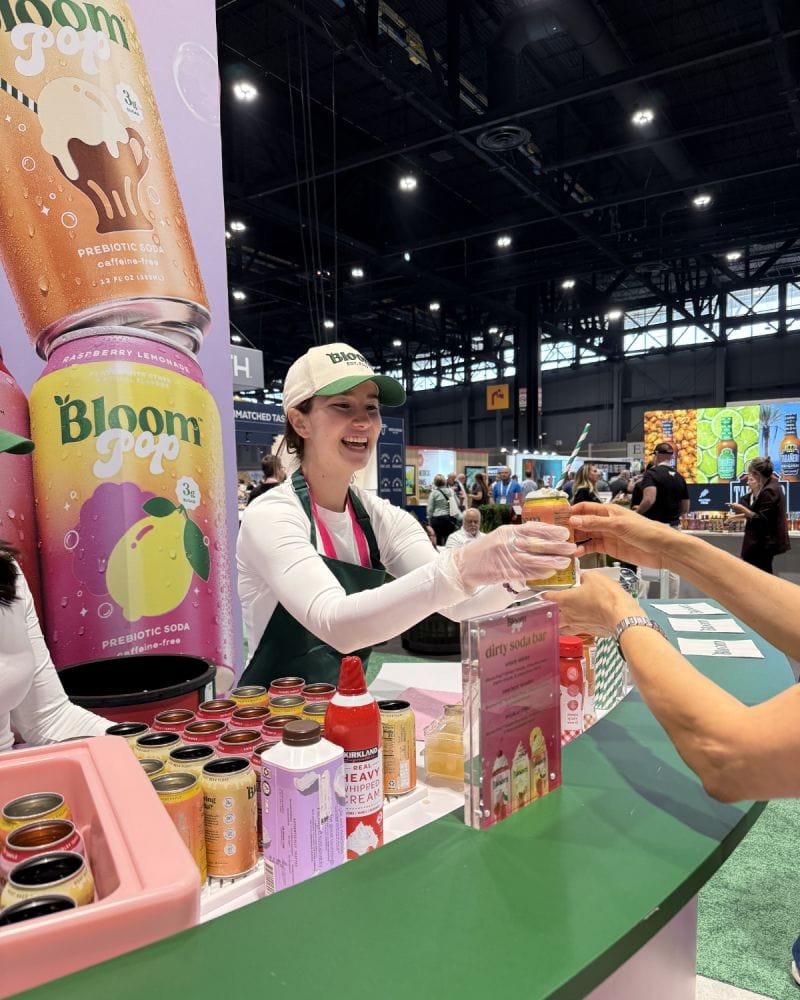
- Over at the Bloom Nutrition booth, staff hosted afternoon happy hours where they cut the tops off cans of Bloom Pop prebiotic soda and filled them with whipped cream and crushed cookies. The drink looked great on a phone screen and tasted like dessert with a functional benefit baked in.
Last year’s dirty soda craze has not disappeared, but the energy clearly shifted. Operators are still drawn to customizable, layered drinks, but the ingredients underneath them are doing more nutritional work. Functional drinks are increasingly beating out alcohol, especially with younger generations of consumers. The non-alcoholic beverage segment grew about 10% in 2024 and is projected to approach $2 trillion globally by 2030, while Gen Z alcohol consumption is down roughly 25% over the past four years. In its place, we’re seeing nostalgic functional beverage flavors like “Shirley Temple” emerge, with OLIPOP, Poppi, Bloom Pop and Slice all rolling out better-for-you variants that give operators a familiar flavor to reframe as a grown-up, non-alc pour.
PR tip: Beverage suppliers should arm operators with the story behind their drinks, not just the SKU sheet. Highlight versatility across daypart and serve format. Lean into chef and creator partnerships to model how a single product can show up as a mocktail, a limited-time offer, a float or a feature on a tasting menu. Functional does not have to feel clinical. Pair purpose with a presentation worth posting and you have a drink that earns its menu spot.
Protein in Every Format
Protein has escaped the entrée. At this year’s show, it landed in waffles, pretzels, snacks and shake mixes.
- J&J Snack Foods brought its SuperPretzel Protein Soft Pretzel to the show floor: 10 grams of plant-based protein in a 2.5 oz hand-twisted Bavarian-style pretzel, vegan and low in fat.
- Golden Waffles, the show’s second-oldest exhibitor since 1946, debuted its new Protein and Fiber Nutritional Boost Packs. The pre-portioned add-ins slot directly into the brand’s existing waffle program, meaning operators can offer up to 6 grams of added protein or 3 grams of added fiber per serving with no new equipment or separate mixes.
- Finally, Tuna Fresh showed up with a clear message that fresh, sustainably sourced seafood is one of the strongest protein stories in foodservice right now. Seafood pulls double duty here. It is high-protein and sustainability-friendly, exactly what operators told us they are looking for.
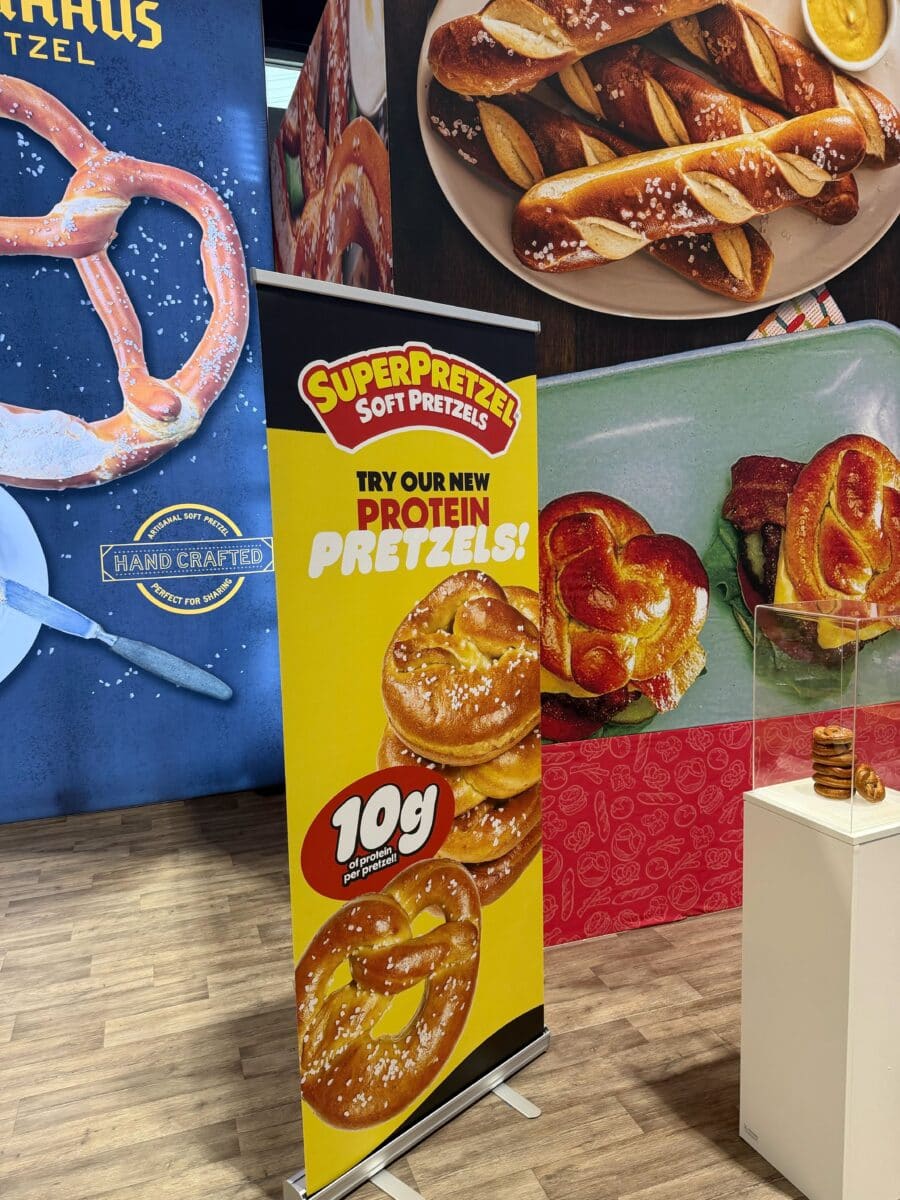
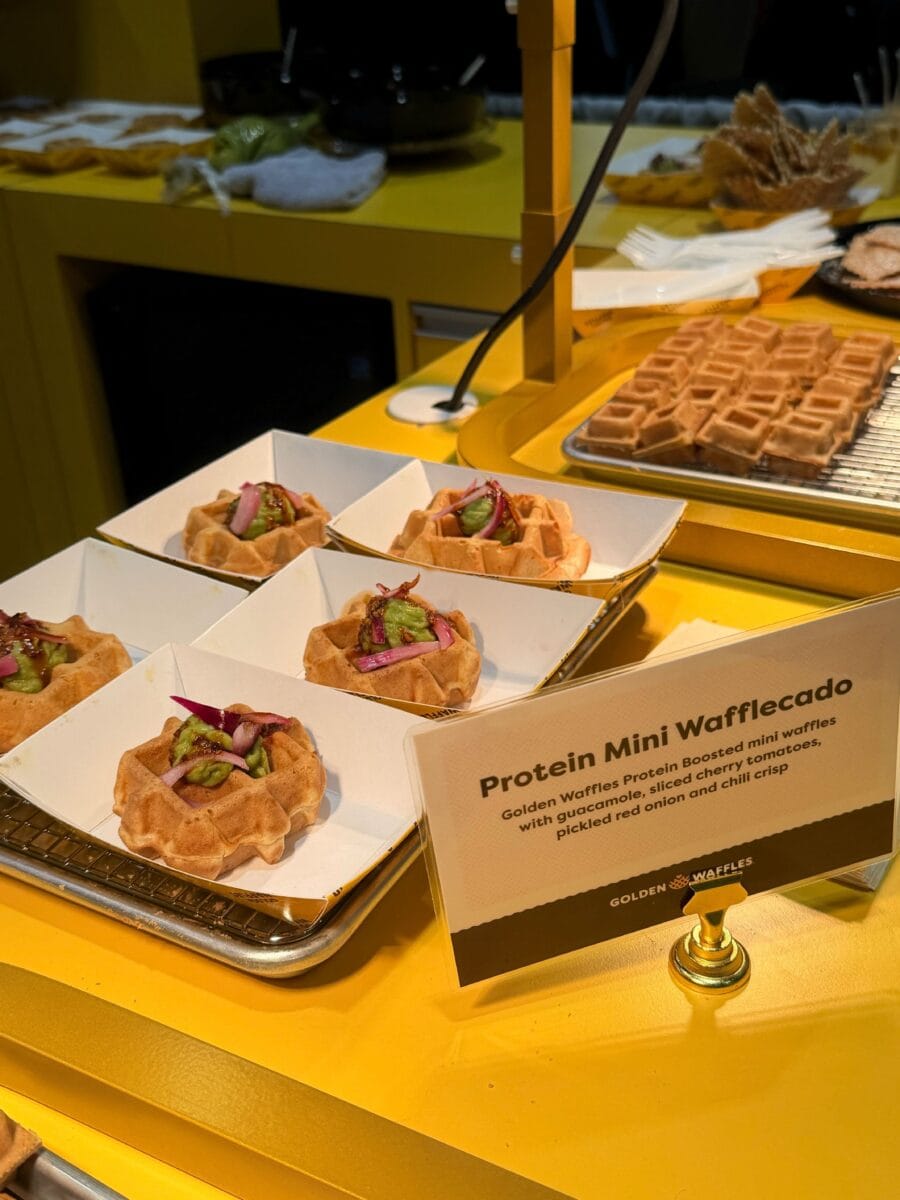
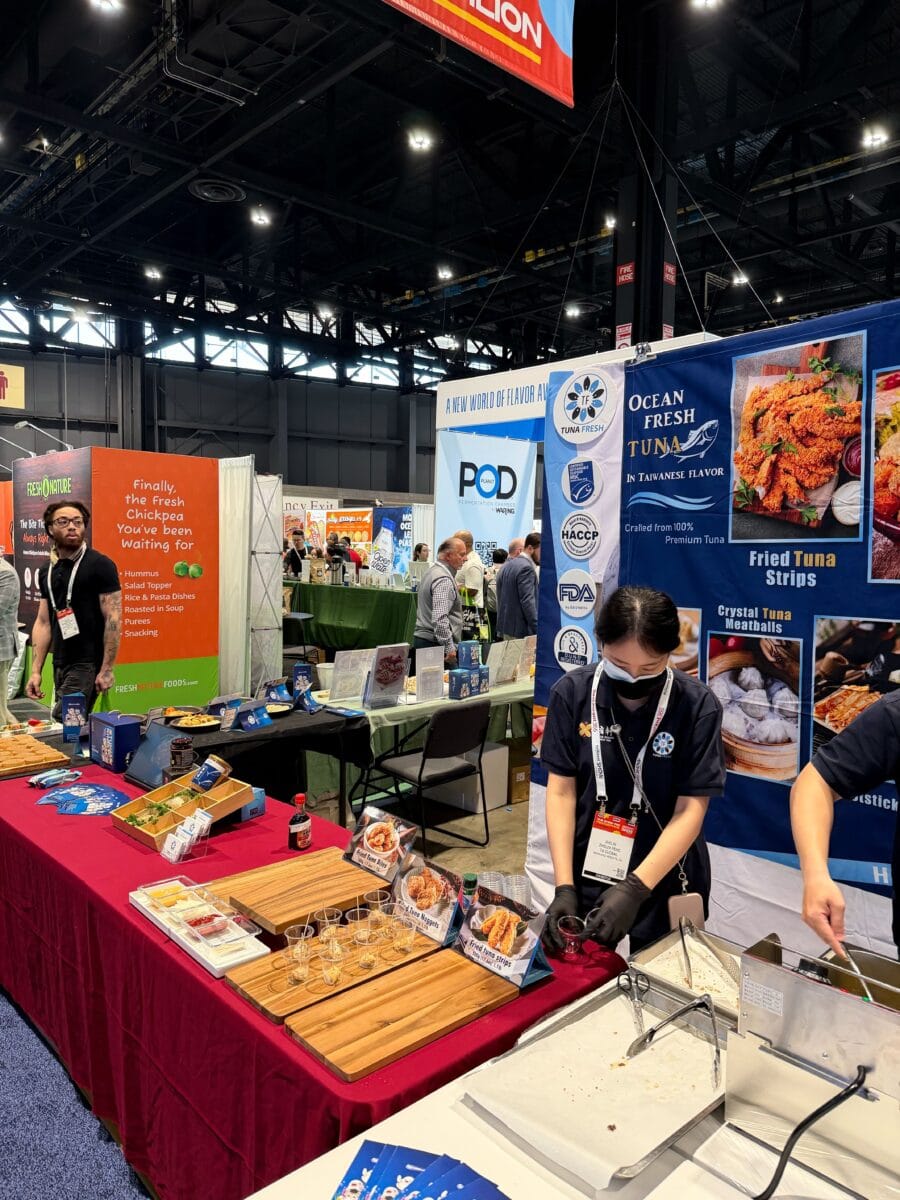
Why the pile-on? According to the International Food Information Council, 70% of consumers are actively trying to consume more protein, and 64% want more fiber. Datassential’s 2026 Trends Report calls fiber “the new protein,” with more than half of consumers naming gut health a top priority this year.
PR tip: Operators are actively expecting and researching higher protein and fiber options for their guests in every format on the menu, from breakfast and snacks to entrées and beverages. Suppliers and distributors should be prepared to deliver. Belle’s 2026 Foodservice Marketing Report found that 100% of chefs surveyed have requested specific products from their distributors by name, so brand visibility matters more than ever. Build content that lives where operators are searching: trade publications, industry podcasts, social platforms and chef-led communities.
Meat Alternatives Get an Ingredient-First Refresh
On this year’s floor, the meat-alternative conversation got an ingredient-first refresh, with mushrooms, chickpeas, truffle and dates featured as flavor builders rather than just stand-ins for beef, chicken or pork.
Three booths clearly reflected the shift:
- 50CUT (a brand by Mush Foods, powered by JOYN) showed off its chef-formulated mushroom blend designed to replace half the meat in any dish without sacrificing taste, texture or nutrition. The pitch was clear: better for the planet, easier on food cost, no compromise on the burger experience.
- Prime Shrimp brought an 80% shrimp burger sourced from responsible aquaculture in Ecuador and free of concerning additives. The product frames seafood as a beef alternative with a built-in protein and omega-3 story.
- Beyond (formerly Beyond Meat) continues to innovate in the meat-alternative space, using the show to spotlight the range of sources behind its products working together to deliver the taste and texture of meat. The brand also used the show to extend that plant-forward story into a new format with the launch of Beyond Immerse, a plant-based protein drink available in 10g and 20g options.
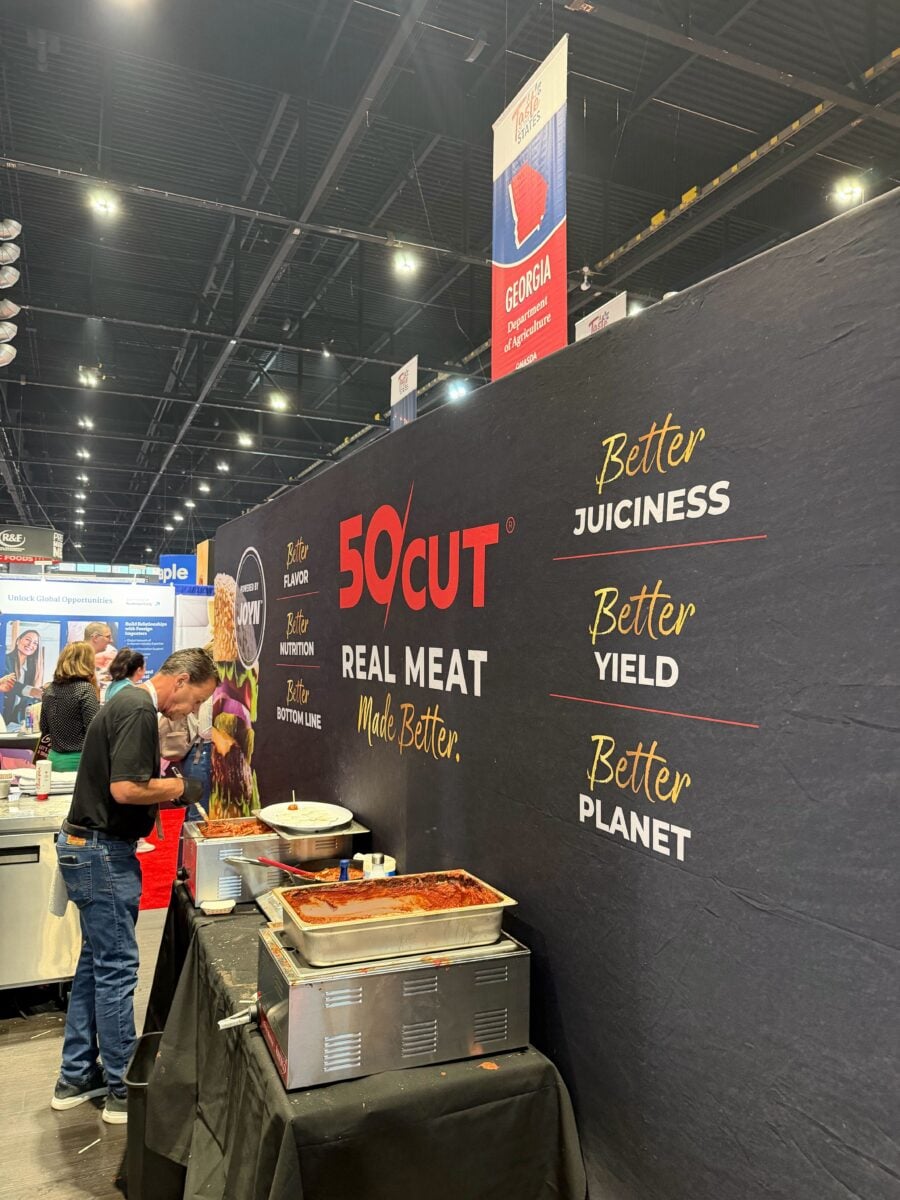
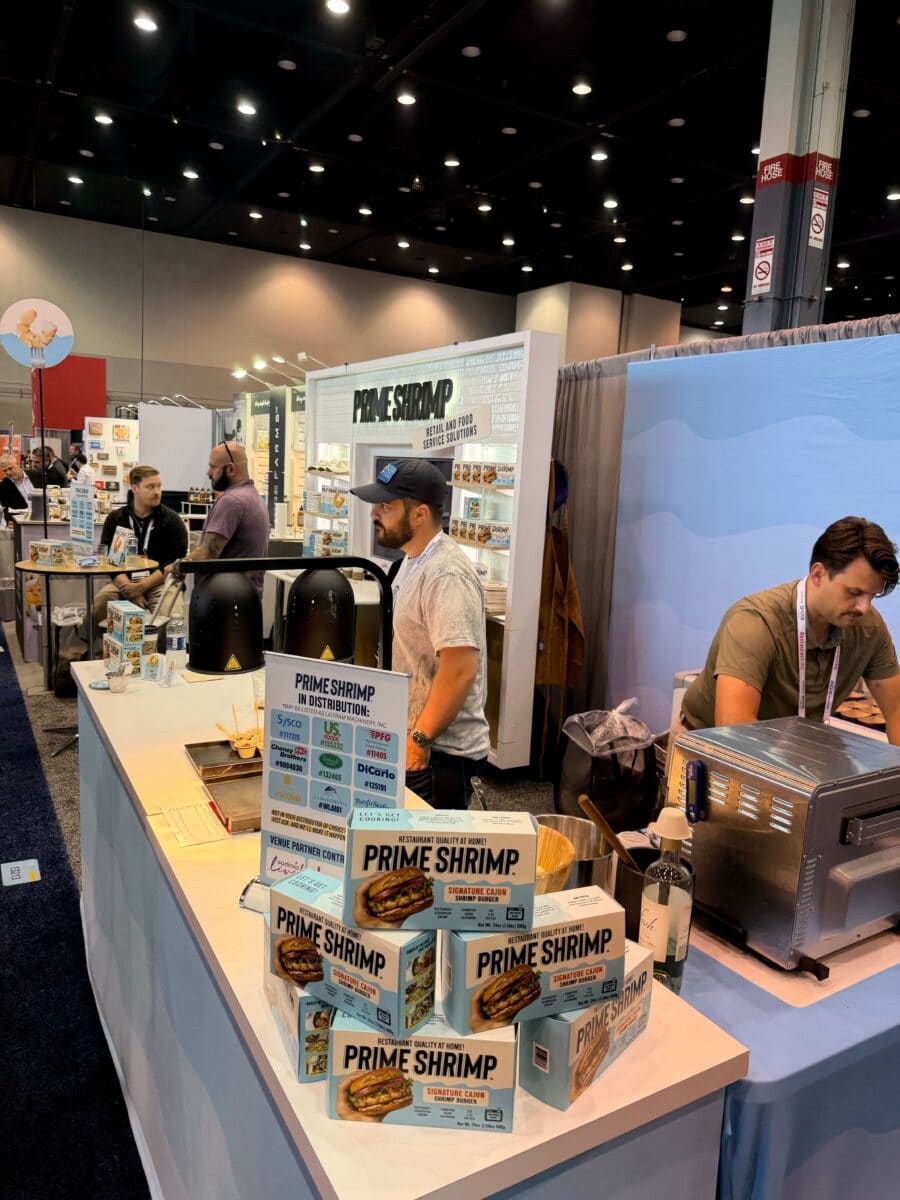
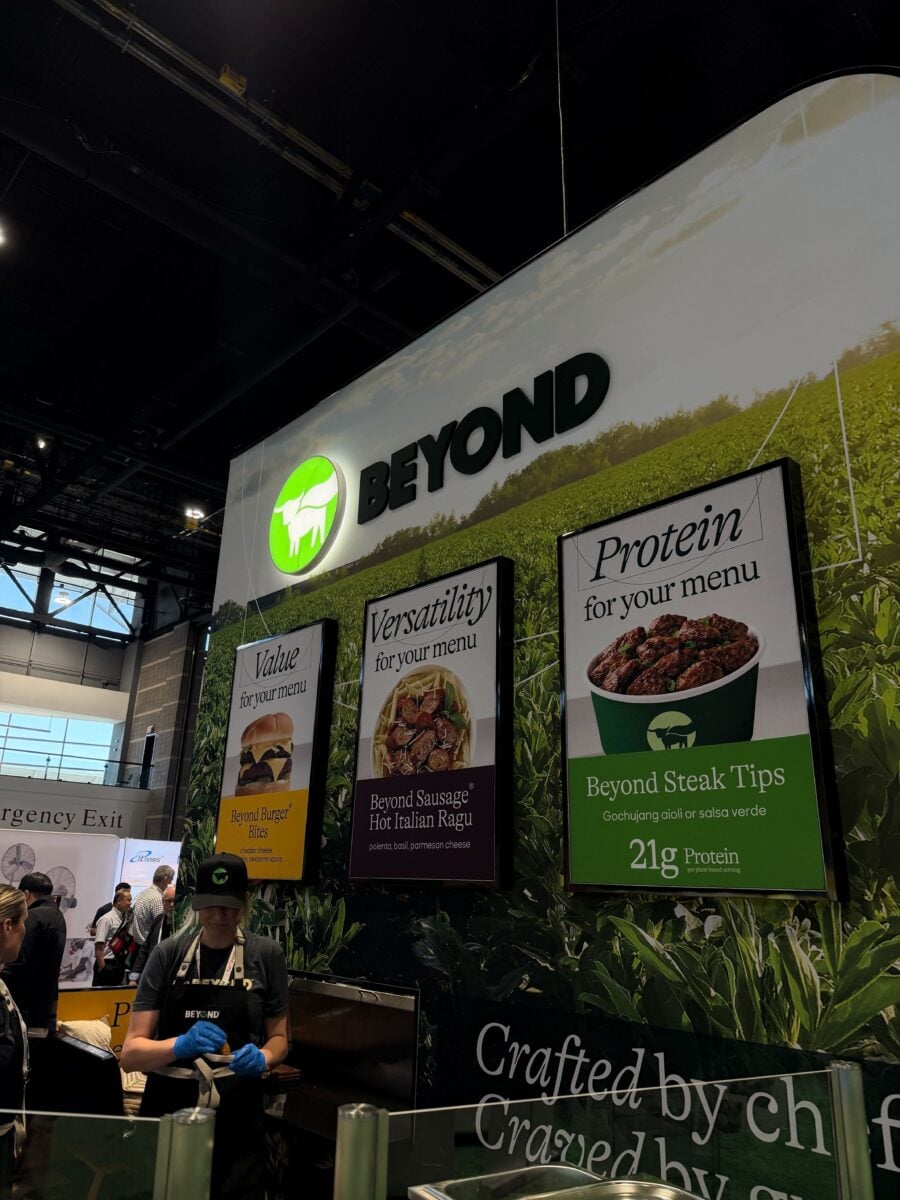
The bigger shift: brands have moved on from selling “plant-based” or “beef-alternative” as the headline. Ingredients and food cost storytelling are leading in today’s economic conditions. The strongest pitches on the floor had a clear answer to “why this, why now.”
PR tip: Lead with culinary story and operator economics. Pitch to chef-driven publications, recipe-forward influencers and operator-focused trade press. Belle’s Brilli influencer insights network gives suppliers a way to gauge how chefs and creators are reacting to new ingredient stories so you can refine messaging before it goes wider.
AI and Automation, Now With Connectivity
Last year, AI and robotics arrived. This year, the conversation matured into connectivity. Operators have moved on from asking “Should I automate?” to “Can my tech stack talk to itself?”
RATIONAL stood out for how it brought this to life with its cloud platform that lets operators push recipes to every unit and update software remotely across locations. That kind of integration is exactly what kitchens are asking for: less manual work, more visibility, fewer one-off systems to maintain.
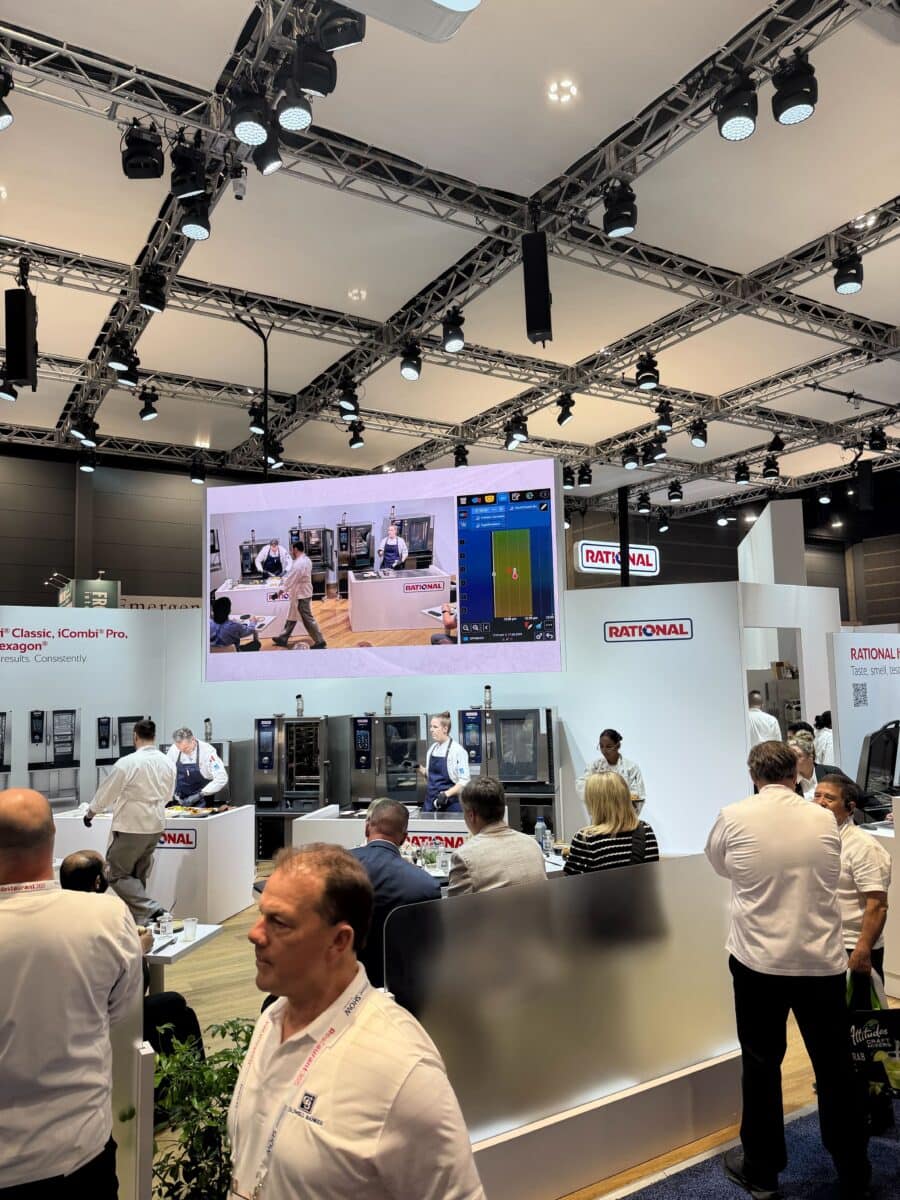
The bigger picture: as Curion Insights noted in its show recap, operators are no longer cautiously exploring tech. They are actively embedding AI, automation, digital ordering and data-driven personalization across the business. Margin pressure and the labor crunch are doing the convincing.
There is a corresponding shift in how those operators discover and vet vendors. More buyers are turning to AI tools (ChatGPT, Perplexity, Google AI Overviews and Gemini, to name a few) to research brands and shortlist suppliers before reaching out. Brand visibility in those AI-generated answers has become its own discipline. Belle’s AI Search Analysis helps foodservice brands understand how they show up in those conversations, and where to invest to strengthen that presence.
PR tip: Get serious about how your brand shows up across the channels operators are actually using to find you, from trade press to social to AI-powered search. Strong PR is one of the most effective ways to influence what AI tools surface when buyers ask about your category. The trade coverage, expert commentary, customer testimonials and owned content your brand earns today become the source material AI systems pull from tomorrow.
Final Takeaways from 2026 National Restaurant Association Show
To sum it up: operators are exploring smaller portions and protein-forward dishes that respond to GLP-1 dietary shifts. Functional beverages are doing more, with bold flavor and creative serves earning them a place on menus. Protein has reached into snacks and breakfast formats, and seafood is showing up as both a protein and sustainability play. Meat alternatives have moved from imitation to ingredient-first. And connectivity is what makes kitchen automation actually usable.
The common thread across all five trends: operators want more for their guests, but they need it delivered without breaking the back-of-house. Suppliers and distributors who can solve for both will earn the menu spot, and just as importantly, the repeat order.
For the PR and marketing teams behind those suppliers and distributors, the work does not stop at trade press anymore. Today’s foodservice buyer is researching across channels, asking for specific brands by name and increasingly running a search through AI. Belle’s 2026 Foodservice Marketing Report breaks down what that buyer journey looks like and where to invest, so your brand is the one operators ask for next.