
When Social Media Moves Faster Than the Food Recall
Social media is now the fastest and most visible way to communicate food safety issues—and the least controlled.
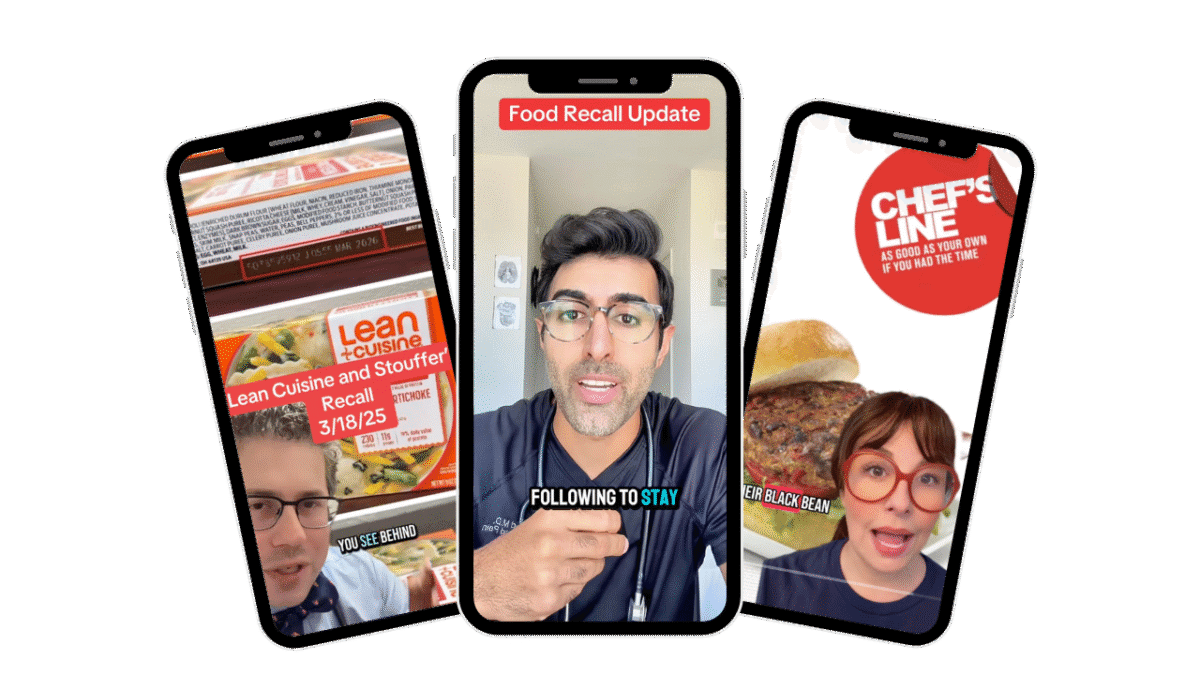
In the first half of 2025 alone, there have been over 120K posts using the hashtag #recall on TikTok and 423K on Instagram, many shared by unverified voices lacking context.
A single post can dominate social feeds and go viral before a brand issues a statement.
Traditional food safety crisis management must evolve, and every brand in the food supply chain must be ready to detect and respond to online commentary.
Growing Use of Social Media for Food Recall News
Consumers have many options for staying informed of food recalls, with social media increasingly becoming a top source.
Data from the International Food Information Council (IFIC) shows a gap between consumer expectations and reality when it comes to food recall information. Nearly half of consumers (46%) believe the federal government is responsible for informing the public, yet only 6% first heard about a recent recall from that source. Instead, most reported learning about recalls through traditional media (48%) or social media (15%).
This comes with both advantages and drawbacks.
The upside: Social platforms feature a wide range of credible voices—food safety experts, culinary professionals and medical doctors—who share timely updates. This puts critical information in front of people who might not follow traditional news outlets.
The downside: Alongside these experts are uninformed users who post speculation or unverified claims. That noise can spread misinformation just as quickly as reliable updates.
How Food Recall Misinformation Spreads
On platforms like TikTok, one post about contamination or mislabeled allergens can reach thousands before a brand even becomes aware. Algorithms amplify emotionally charged content, especially around health risks, while personal testimony often outweighs corporate statements.
In 2024, TikTok posts claimed instant ramen had been recalled after five children allegedly died. The CDC later confirmed no recall occurred. In 2025, social posts linked Eggland’s Best to avian flu-related egg shortages, despite no recall. The company clarified directly in comments, but only after the misinformation had spread widely.
Because fact-checking lags behind virality, consumer perception can shift before brands even enter the conversation. Using social media listening tools to monitor for misinformation is now essential.
Responding to Food Safety Posts on Social Media
Everyone is a publisher on social media. Misinformation can look credible, especially when shared by users with large followings. Even helpful content can fall short if critical context is left out.
In 2025, factual voices helped share news of a recall for nearly 30K pounds of Chomps snack sticks due to metal fragments. Yet, some videos encouraged followers to throw out all Chomps products, omitting important details like batch codes or affected regions.
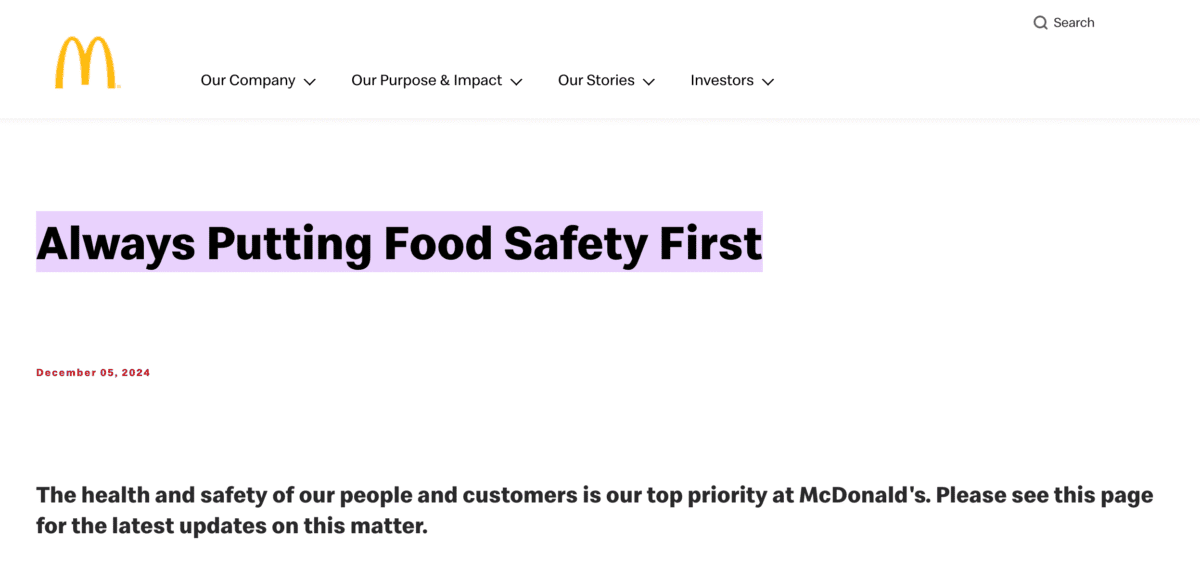
To reduce confusion and protect brand trust, companies must deliver fast, fact-based responses with links to FAQs, recall details and next steps. When McDonald’s faced an E. coli outbreak in 2024, it was applauded for promptly posting recall notices on its social media channels, answering customer questions with empathy, correcting misinformation and showing individual care to consumers.
Building a Digital-Age Food Safety Crisis Response Plan
Here’s how food companies can modernize their crisis readiness:
1. Real-Time Social Listening
Use tools like Sprout Social, Talkwalker and Brandwatch and set alerts tied to brand names, health terms, slang and visual cues like logos. Social listening must be “always on,” not just during recalls.
Make these insights actionable with clear escalation protocols. Who triages legal flags? What gets responded to? What triggers a cross-functional team huddle? Listening is only valuable if it drives timely, aligned action.
2. Clarity in Mitigation Planning
Don’t leave teams guessing during a food safety crisis. Speed matters most on social media, so your team must be prepared to respond quickly, factually and in a way that reinforces your brand values.
A well-developed crisis communications toolkit is the foundation for speed. This should include pre-approved social media templates, scenario planning for foreseeable events, clearly defined roles and responsibilities, detailed posting timelines, contact lists, FAQs and legal guidance.
Just as important as having the right tools is having clarity around when and how to use them.
Your protocol should define when to issue public-facing statements and when to take conversations offline. It should guide teams on what kinds of comments warrant a response and which can be safely left alone.
Not every comment requires engagement, but ambiguity around response strategy often leads to costly missteps. Research shows that 35% of consumers expect a response within one hour on social media. In the context of a food safety issue, failing to meet that expectation can cause lasting harm to brand trust, customer loyalty and sales.
3. Review and Pause Scheduled Content
Audit scheduled posts through a reputational lens. Content tied to holidays, promotions or humor may appear tone-deaf during a safety issue.
Have guidance on when to pause, what content (if any) is safe to continue and how to ensure your silence doesn’t become an opening for misinformation to spread.
4. Arm Trusted Influencers
If your brand works with influencers or ambassadors, keep them informed during your crisis response efforts. Since consumers may naturally ask them questions since their association is known, arm them with messaging and links to FAQs so they can effectively reply to questions if they receive them.
Influencers can help share accurate updates, but their role shouldn’t be to break news. They can play a supportive role and clarify the facts.
Food Safety Crisis Readiness in the Digital Age
As food recall incidents grow and information moves faster than facts, brands are under greater pressure to respond quickly, clearly and accurately.
Your brand’s first public response shouldn’t be a scramble. With proactive tools and clear protocols, you can meet today’s challenges head-on—and preserve trust when it matters most.